Stay informed with the LNN Daily Newsletter
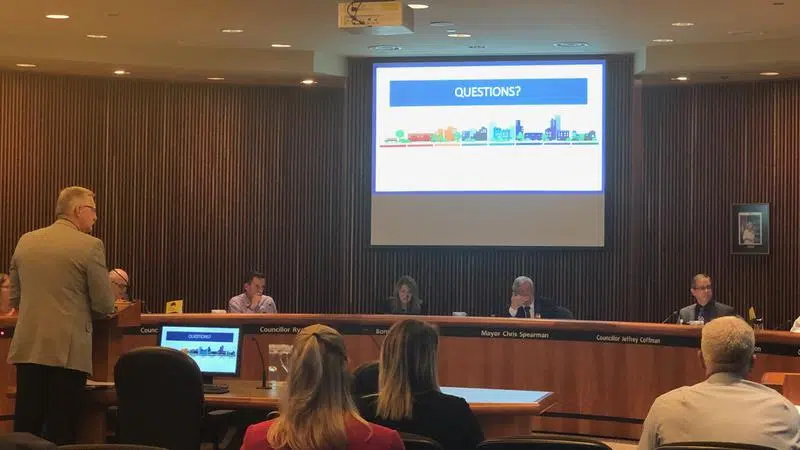
Martin Thomsen presents the Municipal Housing Strategy to City Council Monday

Councillors vote to implement Municipal Housing Strategy plan

Oct 7, 2019 | 3:27 PM

LETHBRIDGE, AB – Lethbridge City Council has voted unanimously to approve the implementation of the city’s first Municipal Housing Strategy.

The plan, with 51 recommended actions, will include identifying opportunities for affordable and supportive housing. It will also strive to work with all levels of government, the local housing authority, post secondary institutions, builders, indigenous organizations, and even philanthropists.

It doesn’t necessarily mean building a lot of new structures, according to Commuity Social Development Manager Martin Thomsen. Many buildings can be renovated or repurposed as well.

“In our needs assessment, we also determined that we need smaller units…we are building a lot of larger family units where our population statistics clearly demonstrate we need smaller units. One to two people. We have a high percentage of seniors in our city. And so, it’s not simply about building new.”


Thomsen says Lethbridge has a rent affordability problem, and if nothing is done, the city will be in much worse shape in the coming years. According to the Federal Government, neither homeowners nor renters should be spending more than 30 per cent of their income on rent/mortgages and bills combined.

“Lethbridge has a key affordability issue,”explained Thomsen. “It’s not that we don’t have necessarily the number of units, we can’t afford them because our income in Lethbridge is much lower than the provincial average. About $35,000 per year lower than the provincial average. And we have about 50 per cent of our low-income households in Lethbridge that are spending more than 30 per cent on their housing. 26 per cent are spending more than 50 per cent on their housing.”

Low income is defined as a household having an income of less than $49,000 per year.

One big part of the equation is building supportive housing. Thomsen says communities across Canada have been affected by the drug and substance abuse crisis, and it’s the number one reason for homelessness. Not only do the root causes need to be addressed, but the transitional period is critical after treatment.

Many people don’t have a place to live after treatment, which is why temporary and permanent supportive housing is critical.

Part of the solution he believes as well is to develop and design more integrated communities that include everything from single family homes, to smaller units, affordable housing and supportive housing all in one.

“When we hear of social or supportive housing in our neighborhoods, right away our minds go to potentially the worst case scenario…but it’s about educating the people, explaining to them, so that they can make evidence-based, data driven decisions that it’s not gloom and doom. A lot of units can become a very vibrant and integrated part of the community.”

In the immediate future, Thomsen says the “dirt work” and “show me the money” work comes. He realizes that not every one of the 51 recommendations will be implemented; some may not work in Lethbridge. However, other ones will gain traction.

“It’s like a budget. You know it’s going to change. But it’s changes that, as you get knee deep into the process, that you evolve and adapt as we move forward.”