Stay informed with the LNN Daily Newsletter
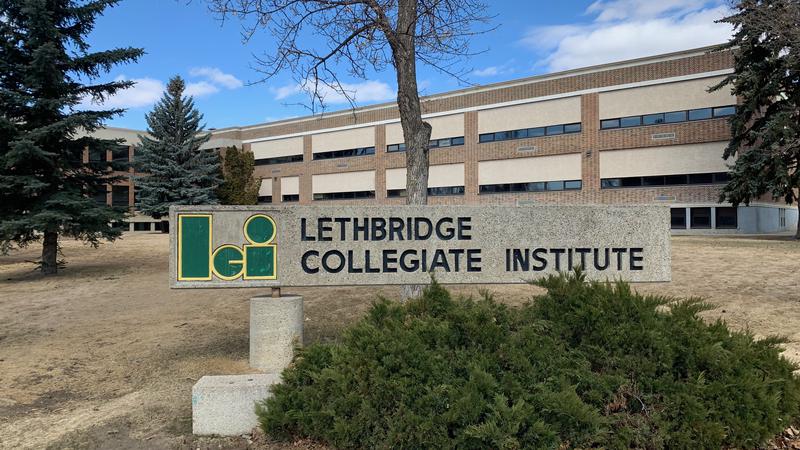
LCI. (Lethbridge News Now)

Province targeting “near normal” in-person school operations this fall

Jun 10, 2020 | 3:49 PM

LETHBRIDGE, AB – The Government of Alberta hopes to have students back in schools in September.

Education Minister Adriana LaGrange announced back in May that there were three possible scenarios they were considering for K-12 classes during the COVID-19 pandemic.

Scenario 1 sees students return to near normal operations, attending school in person. Scenario 2 would have a “modified schedule” where students would be in smaller classes some days and at home on others. Scenario 3 would see students continue at-home learning as they did this semester.

LaGrange says Scenario 1 is preferred and the one they are actively targeting.

“We all know that students learn best in the classroom with their teachers and their peers, provided that it’s safe to do so.”

The final decision will be made by the provincial government no later than August 1. She made a point to say that local school boards will not be able to decide for themselves which scenario they will adopt.

“How we return to in-class learning may vary regionally and will depend on the number of COVID-19 cases in total in that area.”

More details on the 2020-21 school re-entry plan here.

Measures to reduce the risk – scenario 1 (in-school classes resume – near normal operations with health measures)

  • Cleaning
    • Enhanced cleaning and disinfecting, including daily cleaning for all areas of the school, washrooms and high-touch surfaces cleaned several times a day or more as needed.
    • Regularly scheduled deep cleaning when students are not present.
  • Student/staff hygiene and illness
    • Routine screening for all staff and students.
    • Strict stay-at-home policy for any students or staff exhibiting symptoms of COVID-19.
    • Hand hygiene expectations when entering and exiting the school and classrooms, before and after eating.
    • Continual reminders of the importance of respiratory etiquette (e.g., cover coughs and sneezes, avoid touching the face and disposal of used tissues promptly, followed by hand hygiene).
    • Students who develop symptoms at school may be asked to wear a mask and isolate in a separate room until a parent arrives for pickup. If a separate room is not available, the student must be kept at least two metres away from other individuals.
  • Physical distancing and grouping
    • When possible, practise some physical distancing as a good precaution to prevent the spread of disease.
    • In classrooms, buses and during activities when physical distancing may not be possible, extra emphasis is put on other hygiene practices.
    • Reorganization of rooms to allow for more physical space.
    • Cohorting of students by class where possible.
    • Guiding foot traffic flow through entrances and hallways by using markers on the floor or pylons/barriers.
    • Avoiding large gatherings such as assemblies.
  • Masks
    • Staff and students will not be mandated to wear masks.
    • Masks may be considered in circumstances where there is prolonged close contact (greater than 15 minutes) and distance of two metres cannot be maintained.
    • Masking is generally not recommended for younger students.
  • Shared items
    • A no-sharing policy – all students should have their own supplies.
    • Where sharing of equipment is required, the equipment should be cleaned between uses.
  • Cases of COVID-19 in a school
    • The zone medical officer of health will work with school authorities on the rapid identification of cases through easily accessible testing, rapid close contact identification, and isolation measures when needed.
    • The zone medical officer of health will also work with school authorities to provide follow-up recommendations and messaging for staff, parents and students.
    • Alberta Health Services may request the school to close in-person classes to allow the public health investigation to take place.
    • Each school authority will support students and staff to learn or work at home if they are required to self-isolate.

Measures to reduce the risk – scenario 2 (in-school classes partially resume with additional health measures)

  • The same considerations as scenario 1, with the following differences:
    • A recommended maximum of 15 people in a classroom to allow for more consistent physical distancing.
    • Students will attend school less regularly as school authorities will need to adjust their class schedule and configuration to meet the physical distancing requirement.
  • Non-COVID-19 operational highlights
    • Any summer programming will follow scenario 2 of the re-entry plan and the associated public health measures.
    • August diploma exams will proceed for students taking diploma courses this summer.
    • For the 2020-21 school year, diploma exams will be held if the first or second scenarios are in place. In scenario 3, exams may be cancelled.
    • Provincial achievement tests (PATs) for Grades 6 and 9 can be held in the first and second scenarios, but will be optional for school authorities to participate.
    • If scenario 3 is in place at the beginning of the school year, the January PATs will be cancelled. May/June PATs may be cancelled based on the duration of at-home learning.
    • School authorities can, as deemed appropriate at the local level, reduce time spent teaching non-core subjects to allow for additional instruction time on core subjects.
    • School authorities must enable the full participation and inclusion of students with disabilities under each scenario and address any learning gaps from the 2019-20 school year.
    • Mental health supports should be in place for students and staff.