Stay informed with the LNN Daily Newsletter
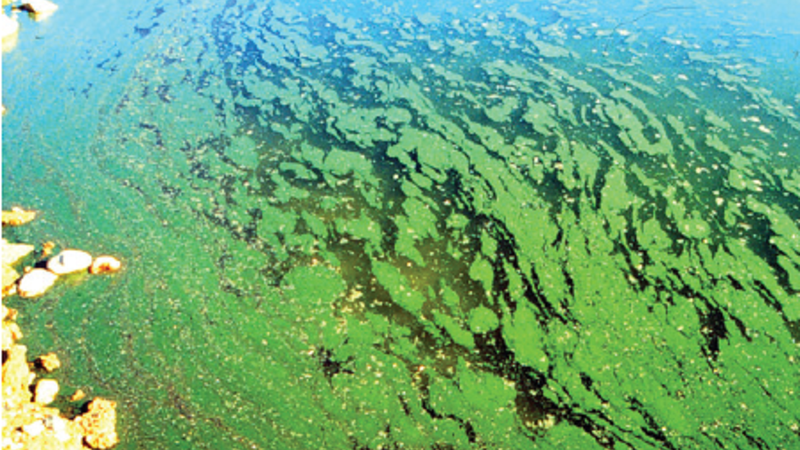
Cyanobacteria - photo credit to Ron Zurawell and Quality Farm Dugouts

Dangers of blue-green algae in farm dugouts

Jul 21, 2020 | 1:55 PM

EDMONTON, AB. — Most farms and ranches in Alberta have dugouts and aside from the obvious required safety measures, it’s also imperative that they be monitored for algae. The toxic bacteria will grow as temperatures rise at this time of year.

Shawn Elgert, an agricultural water engineer with Alberta Agriculture and Forestry, says blue-green algae is actually cyano-bacteria, and can produce toxins that are very dangerous.

“It can cause organ damage or even death if ingested by livestock and pets.”

Elgert says the first and most important step is to identify the type of growth. Blue-green algae can look like blue-green scum, pea soup or grass clippings suspended in the water. He suggests watching for it when temperatures increaser pets.”


If blue-green algae is suspected in a dugout, you should contact a water specialist to diagnose the growth to determine if it is potentially a toxic growth.

You should also immediately remove your livestock from the water source. The wind can push the blue-green algae into highly concentrated pockets where the risk of harm is higher.

Elgert says there are different methods to prevent blue-green algae.

“Aeration of the dugout can also help improve the water quality. A dye packet can also be thrown into the dugout to help prevent photosynthesis from occurring, thereby reducing the growth of blue-green algae. However, one action alone may not be enough to prevent growth.”

Nutrients are required for growth of blue-green algae and information about reducing nutrients from entering the dugout can be found in Quality Farm Dugouts. Nutrients can be reduced by buffer strips and grassed waterways.