Stay informed with the LNN Daily Newsletter
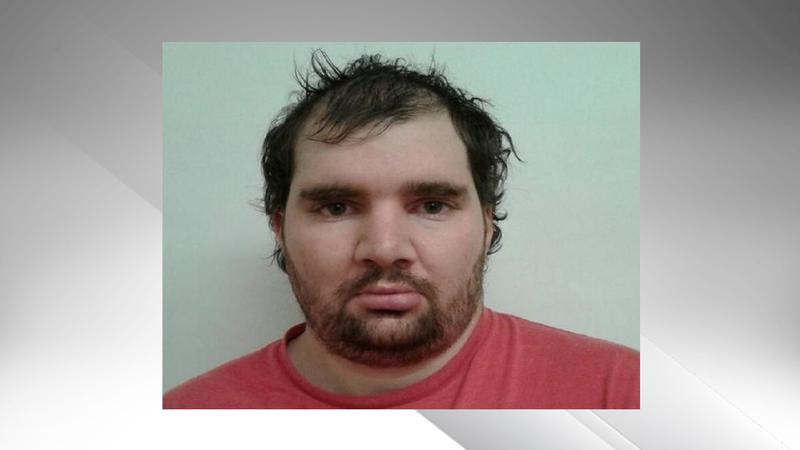
Trevor Pritchard. (Supplied by Coaldale RCMP)

Crown recommends “indeterminate sentence” for Coaldale’s Trevor Pritchard

Dec 11, 2020 | 12:07 PM

COALDALE, AB – Final arguments have started for Trevor Pritchard’s dangerous offender hearing.

Pritchard, 35, of Coaldale, has been convicted four times of sex-related offences including sexual assault, luring, and child pornography. Convictions occurred in 2004, 2009, 2010, and 2019.

After taking in testimonies from several experts throughout the proceedings, the crown said Friday that it wants to see an “indeterminate sentence” along with the dangerous offender designation.

This does not mean that Pritchard would remain in jail forever – rather, he would stay in custody until he can prove that he has made significant personal progress and no longer represents a risk to society. If granted, he would have the option to apply for parole every two years.

Justice Johnna Kubic will also consider other sentencing options such as a minimum of two additional years in jail with constant supervision upon his release.

Based on past experiences with support services and a series of psychological assessments, however, the crown does not believe Pritchard should be released into the public any time soon.

Pritchard has been part of numerous support programs over the past 15 years, but experts with those services have said in court that he showed little-to-no interest in participating and experienced little-to-no improvement.

The crown brought up his time with Quest Support where staff were eventually told not to enter his room for the sake of their own safety. Officials there told court that they would not be able to take Pritchard in again.

Forensic Psychologist Dr. David Tano testified this week that he categorized Pritchard in two separate psychological assessments as a “high risk to re-offend” based on numerous risk factors.

READ MORE: Coaldale’s Trevor Pritchard, convicted child sex offender, a “high risk to re-offend”

At the time he was accessing these various services, Pritchard continued to re-offend both by accessing child pornography and by using fake aliases online to lure teenage girls.

Victim impact statements from the youths reveal “lasting psychological damage” as the four later developed issues such as substance addiction, relationship instability, self-harm, and a general lack of trust in others.

If Pritchard were to be released into the public, the crown said Pritchard would essentially need an “external brain” where someone would have to make all of his decisions for him.

The crown, however, stated that this level of support currently does not exist in the community.

The defense spoke later in the day, outlining that he wants Pritchard to have a “determinate” sentence with strong levels of support upon his release.

Andre Ouellette says, by having his stay in custody be indeterminate, it could theoretically go on forever, and not knowing when it would end would cause even more anxiety.

In making her decision, he adds that the judge would have to think about the potential for future offences and future risk, which would be impossible to do.

Another consideration of his is that the dangerous offender designation would stay on Pritchard permanently even if he does improve significantly in the years ahead.

Justice Kubic is expected to make her decision next month.