Stay informed with the LNN Daily Newsletter
Many Canadians will owe

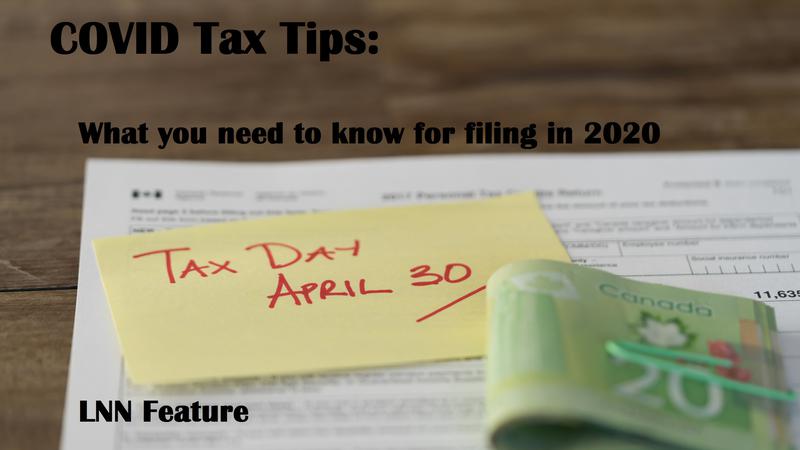
COVID Tax Tips: What you need to know for a complex tax season

Feb 16, 2021 | 1:16 PM

LETHBRIDGE, AB – If you have accessed COVID-19 support programs over the past year, you will likely have to pay more on your 2020 taxes.

Yes, it’s tax season once again and Canadians will have until the end of April to file their reports.

LNN spoke with Trevor Tamke, Partner with MNP’s tax services group in Lethbridge, to make sense of what you will have to make note of when filling out your taxes.

“If you’ve received any support under these programs, the important thing to know is that they are taxable, and for many of the programs, there were no taxes that were withheld and sent in, or if there were taxes withheld and sent in, they may not be enough to cover your actual tax bill.”


Individual Taxes:

For most of the COVID-19 support programs that went to individuals, the amount you received is counted as general income and is taxed accordingly.

“I think the government tried to communicate pretty early on that these programs were going to be taxable and that people should keep that in mind and put some money aside come tax time,” says Tamke.

You will need to mention how much money you received from each of these.

The federal government will send out a T4A for benefits issued by the Canada Revenue Agency (CRA) or a T4E for benefits issued by Service Canada. As of February 8, these slips should be available on your My CRA account.

One implication of these programs is that they potentially pushed some Canadians into higher tax brackets.

More than 27-million applications were processed by the CRA and Service Canada for the Canada Emergency Response Benefit (CERB), so it is the one that the most people will need to include on their taxes. No tax was withheld for CERB.

Another two million Canadians applied for the Canada Emergency Student Benefit (CESB). No tax was withheld for CESB.

For the Canada Recovery Benefit (CRB), Canada Recovery Sickness Benefit (CRSB), and Canada Recovery Caregiving Benefit (CRCB), 10 per cent was withheld for taxes. Depending on your tax bracket, you might still owe some money on these.

The good news is, according to a media release from the CRA, “The Government of Canada has indicated from the outset that there would be no penalties or interest in cases where CERB needs to be repaid… We will work with impacted individuals on a case-by-case basis. There is no deadline to repay COVID-19 emergency benefit payments.”

Business Taxes:

Businesses who accessed COVID-19 support programs will also have some extra work to do this spring.

Although exact figures are not available at this time, the Canada Emergency Wage Subsidy (CEWS) and Canada Emergency Rent Subsidy (CERS), were widely accessed by a large portion of Canadian companies.

Similar to support programs for individuals, the amount you received from these two are considered taxable income just like any other revenue.

The Canada Emergency Business Account (CEBA) allowed companies to take out an interest-free repayable loan up to $60,000, “a portion of which is forgivable if the amount is repaid by the end of 2022,” says Tamke.

“The forgivable portion of the loan is considered taxable income.”

Tax Relief:

Through recently-announced changes, some Canadians might see less doom-and-gloom when filing their taxes.

Earlier this month, the Government of Canada declared that some people who are self-employed, made less than $5,000 in 2020 from their self-employment, and received money from CERB will not have to repay CERB.

That same announcement also included targeted interest relief to people who received COVID-related income support benefits.

Once you have filed your 2020 income tax and benefit return, you will not be required to pay interest on any outstanding income tax debt for the 2020 tax year until April 30, 2022. To qualify for this, you must have had a total taxable income of $75,000 or less in 2020 and received money from at least one of the following:

  • Canada Emergency Response Benefit (CERB)
  • Canada Emergency Student Benefit (CESB)
  • Canada Recovery Benefit (CRB)
  • Canada Recovery Caregiving Benefit (CRCB)
  • Canada Recovery Sickness Benefit (CRSB)
  • EI
  • Similar provincial emergency benefits

As part of the targeted interest program, any amounts you receive monthly or quarterly from the CRA such as the Canada Child Benefit will not be included in your overall income levels. This means that, because your income is lower, it will reduce the amount that you owe.

If you worked from home for at least half of 2020, you might be eligible to claim a deduction for home office expenses.

More information:

If you have read through this entire article, you are no doubt of the understanding that there are many changes to taxes in 2020.

Tamke says, if you have received payments from any COVID-19 support programs, this might just be the most important year ever to meet with a tax professional who can help you to navigate what you have received and what you will need to include on your taxes.

You can also find additional information through these Government of Canada links:

Online filing begins February 22, 2021. Those who plan to submit a paper return should note that it will take 10-12 weeks for the CRA to issue their assessments.