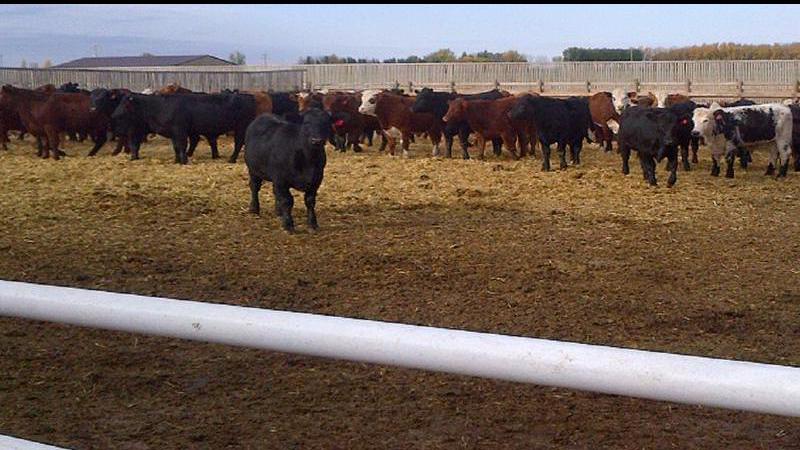
Beef production a challenge when tackling methane emissions
-
Share on Facebook
-
Share on Bluesky
-
Share on X
- Copy Link
CALGARY, AB. — As Canada doubles down on efforts to reduce harmful methane emissions, experts say one of the trickiest hurdles standing in the way is the burping cow.
Methane — a clear, odourless gas — accounts for just 13 per cent of Canada’s total greenhouse gas emissions, but because it is better than carbon dioxide at trapping heat it is believed to be responsible for at least one-third of global warming recorded to date.
That makes it a high priority for governments seeking to live up to their climate change commitments. Earlier this month, Canada confirmed its support for the Global Methane Pledge, which aims to reduce global emissions by 30 per cent below 2020 levels by 2030. The initiative, led by the U.S. and Europe, will be launched at the UN climate summit in Scotland in November.
Forty-three per cent of Canada’s total methane emissions come from the oil and gas industry, and the federal government has already put regulations in place to reduce methane emissions from the oil and gas industry by 40 to 45 per cent over 2012 levels by 2025. Last week, Canada said its new goal will be to align with the International Energy Agency’s recommendation that methane from the oil and gas industry must be cut 75 per cent from 2012 levels by the end of this decade.