Stay informed with the LNN Daily Newsletter
ID 161900645 © John Gomez | Dreamstime.com
Accountability

Province launches body-worn cameras pilot for Alberta Sheriffs

Oct 3, 2025 | 1:15 PM

Officials with the provincial government say Albertans can now expect to see sheriffs equipped with body-worn cameras as part of a provincewide mandate to enhance public safety and accountability.

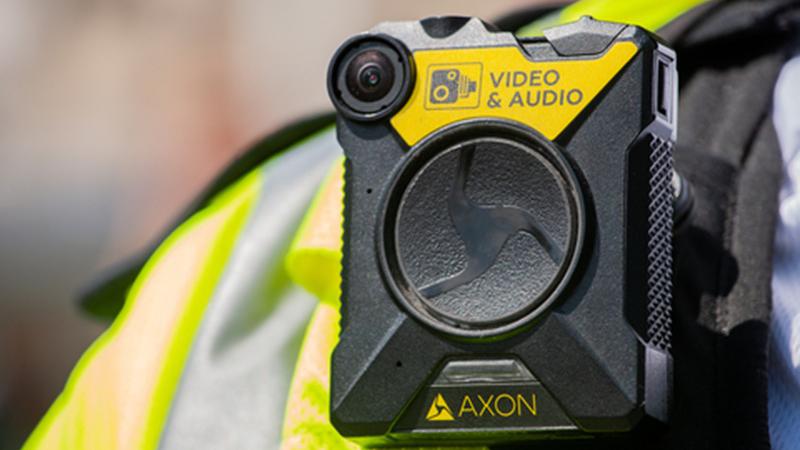
To enhance transparency and accountability, the government says more than 30 officers from Sheriff Highway Patrol, Fish and Wildlife Enforcement Services and Court and Security Services in central Alberta are now field-testing body-worn cameras. Officials say these devices will record public interactions while officers are on duty, helping to strengthen trust between officers and the communities they serve.

The pilot program runs until Dec.15 and according to the government, will allow the Alberta Sheriffs to refine operational policies, resolve technical issues, and make necessary adjustments before full deployment across Alberta Sheriffs in January 2026.

“Through this pilot program, Alberta continues to demonstrate its commitment and leadership when it comes to building, leading and maintaining public trust in law enforcement,” said Mike Ellis, Minister of Public Safety and Emergency Services, in a press release. “Body-worn cameras are instrumental for strengthening the transparency and accountability that underpins mutual trust between officers and the communities they serve. This pilot marks another important milestone, and I look forward to full deployment across the Alberta Sheriffs starting early next year.”


Provincial officials say body-worn cameras are important tools in modern policing that help accurately document police interactions, improve the quality of evidence and speed up the resolution of public complaints, investigations and legal proceedings.

The government says data recorded by body-worn cameras is uploaded to a secure, centralized digital evidence management system, where it is reviewed by a designated officer. Officials say all recorded data is required to be stored for a minimum of two years, during which it can be used as evidence related to a complaint, investigation or legal proceeding. Any recorded data that is not used as evidence within two years will be scheduled for deletion.

“Body-worn cameras will support our sheriffs in their day-to-day interactions with Albertans, providing an objective record that helps foster transparency, accountability and trust,” added Bob Andrews, chief, Alberta Sheriffs. “In today’s evolving public safety landscape, this technology not only protects our officers, but also reinforces our commitment to serving Albertans with integrity and professionalism.”

In March 2023, the government says Alberta became the first Canadian province to mandate body-worn cameras for all frontline municipal police services and First Nations police services. According to provincial officials, Alberta’s government is now taking the next step to support implementation with the Alberta Sheriffs. Police services are also able to leverage the provincial government’s contract with technology vendor Axon Canada.

In addition, Alberta’s government is providing $20 million over the next three years to support municipalities and First Nations in adopting a provincewide, cloud-based digital evidence management system. This system is expected to ensure body-worn camera footage is stored and shared safely, supporting timely investigations and further enhancing public confidence.

“Body cameras serve as a vital tool in fostering transparency and accountability, ensuring that police actions are documented and scrutinized, which ultimately enhances public trust and safety for all,” shared Chief Cody Thomas, Enoch Cree Nation.

Alberta government quick facts

  • Alberta Sheriffs are piloting body-worn cameras until Dec. 15.
  • Alberta’s government selected Axon Canada to be the technology and service provider for the Alberta Sheriffs’ body-worn cameras program in early 2025.
  • Once fully operational, the provincial body-worn camera program is estimated to cost $5 million annually.