Stay informed with the LNN Daily Newsletter
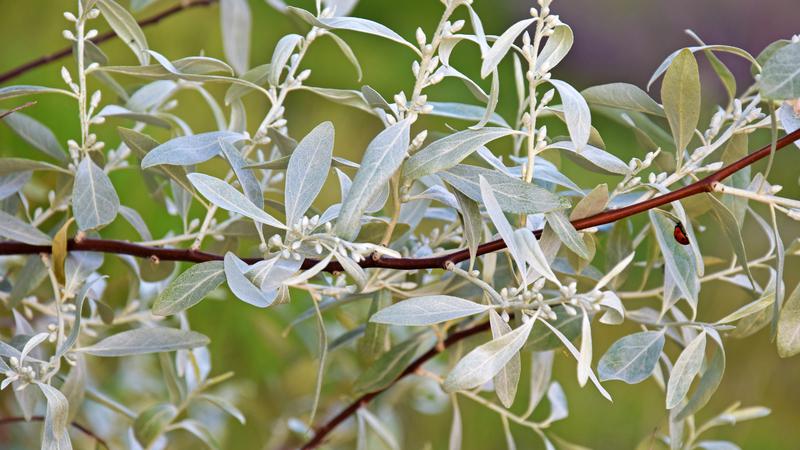
Russian olive tree. The City of Lethbridge is taking steps to remove the invasive species. (Photo: Mrehssani | Dreamstime.com)

City of Lethbridge ramping up efforts to remove invasive Russian olive trees

Dec 11, 2025 | 2:00 PM

Officials with the City of Lethbridge are asking the public to do their part to keep an invasive species out of the community, as they increase their own efforts.

Russian olive is an invasive species that spreads throughout the city’s parks and the river valley.

They say these trees grow aggressively and crowds out native species, outcompetes native species for water and soil, alters soil chemistry, reduces wildlife access, and are highly combustible.

The invasive plants thrive in climates with hot, dry summers and cold winters, like Lethbridge.

“Once established, it’s difficult and expensive to get rid of,” reads a news release from the City of Lethbridge.

“To identify it, look for a thorny bush or small tree up to nine metres tall. It has thin dark brown bark, silver-toned stems, lance-shaped leaves and fragrant yellow flowers that produce silver berries. Russian olive is commonly found in areas with high water runoff, such as coulee channels, storm ponds and riverbanks along the Oldman River.”

This year alone, the City says it removed 147 Russian olive trees from Firelight Park in Copperwood.

The public is asked to do their part in mitigating the spread of the invasive species. Some tips include:

  • Don’t plant Russian olive on private property
  • Remove young Russian olives from your yard before they fully establish
  • Plant native or non-invasive species, such as cottonwood or willow
  • Call 311 to report large stands of Russian olive in natural areas

Use the Lethbridge Tree Guide for help choosing the right tree for your location.