Stay informed with the LNN Daily Newsletter
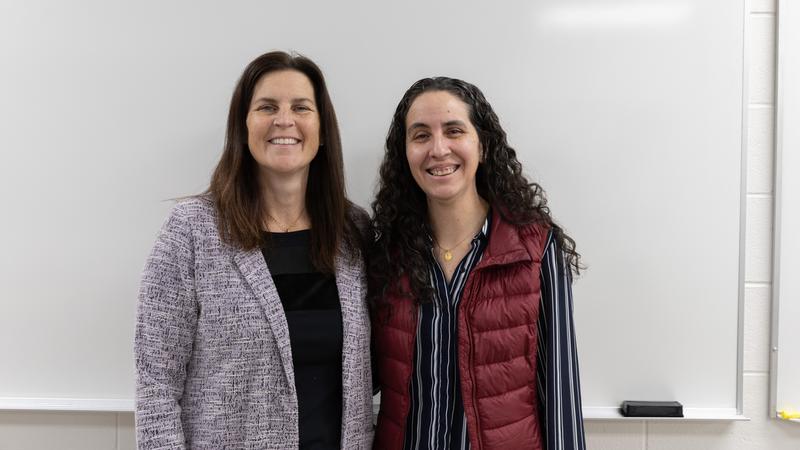
Rena Walker and Geraldine Torres Gonzales of Lethbridge Polytechnic have published new research on therapeutic recreation for seniors with mild dementia. (Photo: Lethbridge Polytechnic)

Lethbridge Polytechnic publishes research on recreation for seniors with dementia

Dec 16, 2025 | 10:00 AM

Two people at Lethbridge Polytechnic are hoping to provide better guidance on providing seniors with moderate dementia with appropriate levels of exercise and activity.

Research was conducted by Rena Walker, an instructor at the school’s Centre for Health and Wellness, and Geraldine Torres Gonzales, who recently graduated from the Therapeutic Recreation – Gerontology program.

Their pilot study aimed to determine the optimal length of time to engage clients in therapeutic recreation.

Recreational therapy is a health-care profession that uses guided recreation and leisure activities to improve the physical, emotional, cognitive and social well-being of clients.


Walker says, “Using leisure and recreation as a treatment for people with disabilities, older adults and other vulnerable populations humanizes them and leads to improvements in their day-to-day health, well-being and independence. Recreational therapy, as a profession, does not have a significant amount of research comparable to other fields of health, so we felt it important to analyze a gap we found to ensure the best outcomes for clients.”

They found that the engagement windows for older adults with moderate dementia were less than 30 minutes.

The researchers observed recreation activities such as stationary exercises, drumming, and bingo.

Gonzales explains that these activities engaged “social aggregation,” meaning that clients are in a group setting with actions directed by a person toward an object, but their success was not dependent on direct socialization.

“Based on the data from our observations of recreation therapy activities, we saw clients maintain engagement for an average of 38 minutes before we saw decline,” said Gonzales. “While the difference between 30 and 38 minutes isn’t expansive, it gives insight into session lengths across the board, allowing recreation therapy staff to adjust programming to meet clients’ needs more effectively.”

Prior to publishing their findings in October, Walker presented to several stakeholder groups, such as the Alberta Therapeutic Recreation Association and Seneca Polytechnic in Ontario. As for what’s next, Walker says there’s room to continue.

“Having these findings come from a relatively small institution in Canada and published in a prestigious American health journal [the Therapeutic Recreation Journal], even as a pilot study with a small sample size, targets an important gap that others in the field missed,” Walker says.

Walker plans to integrate the findings of this study into the classroom setting when talking about client engagement and assessment.