Stay informed with the LNN Daily Newsletter

In first interview, Canada’s envoy to Greenland says new post seeks ‘concrete’ gains

Feb 21, 2026 | 2:00 AM

NUUK — The diplomat Canada has posted to Greenland says the new consulate should lead to “concrete” gains for Canadians, while locals urge Ottawa to expand existing trade and cultural ties with the Danish territory.

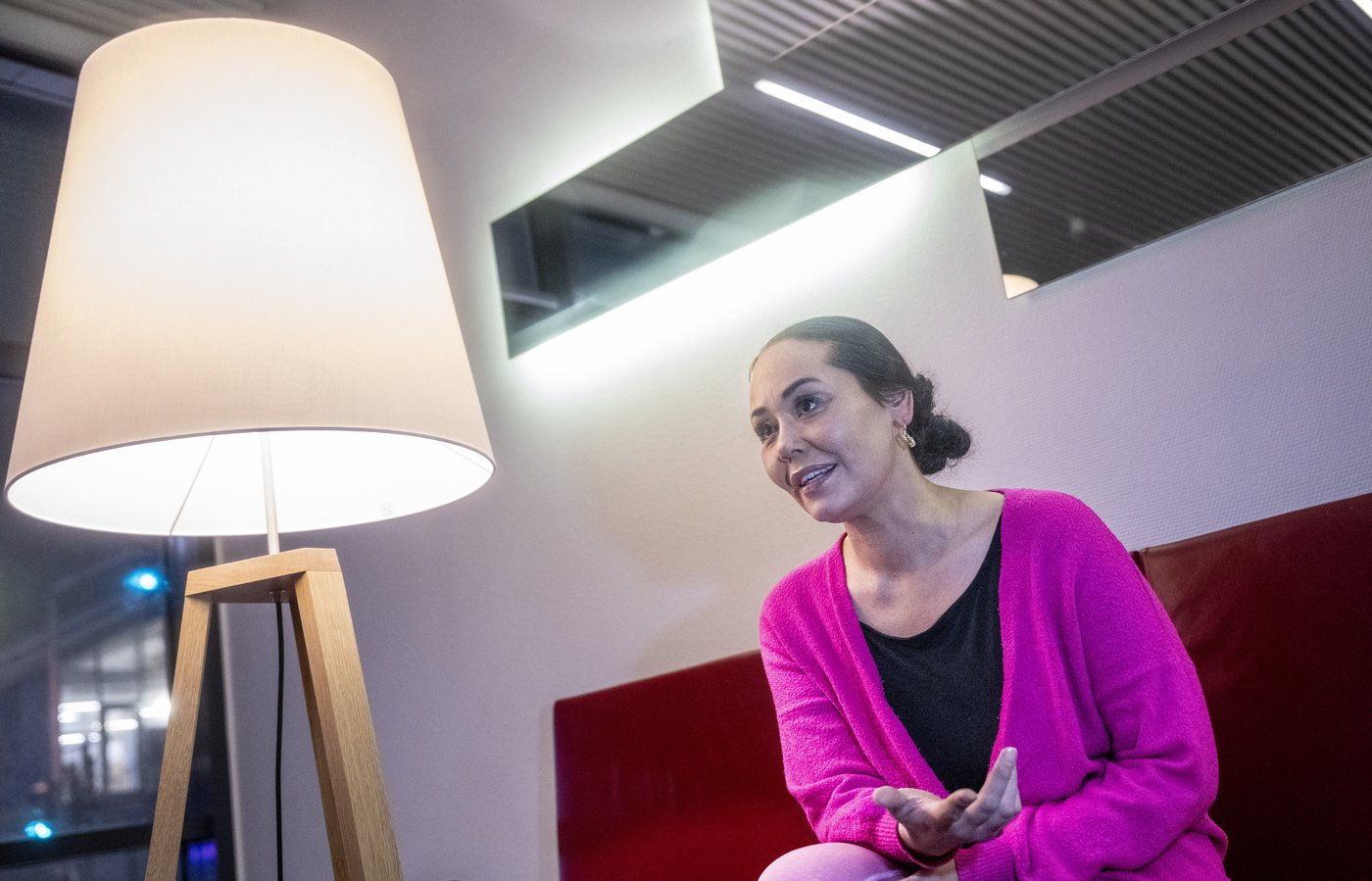
“This just kicks things into a new phase, a more intensive phase, being on the ground and having presence,” said Julie Crôteau, Canada’s acting consul in Greenland’s capital Nuuk.

She gave The Canadian Press her first media interview since taking on the job last November.

“Working together to find common solutions to a lot of the challenges, and building jointly on opportunities that are available in the northern, Arctic context — especially in the world as it is these days — I think that will be a very, very big success,” she said.

Crôteau will be in Nuuk until this summer — Global Affairs Canada is calling it a one-person “micro mission” — after more than four years of working on Arctic topics inside the foreign service.

Her main job lately has been to navigate the logistics of launching a consulate and establishing key contacts across government, business and Inuit sectors to advise her colleagues in Copenhagen and Ottawa on local nuances and the best points of contact.

Crôteau said the idea is to use the consulate as “a platform to advance our bilateral relationship with Greenland and with the Kingdom of Denmark,” stressing that Canada has worked on both relationships for decades.

“It’s not like we’re just showing up now,” she said.

She said success would mean “concrete progress” within a few years on expanding trade ties and air and sea routes between Canada and Greenland, and more collaboration on shared challenges such as fighting climate change and boosting living standards in the Far North.

“You can start to really get into the granular details of how you make this collaboration work on specific issues,” she said.

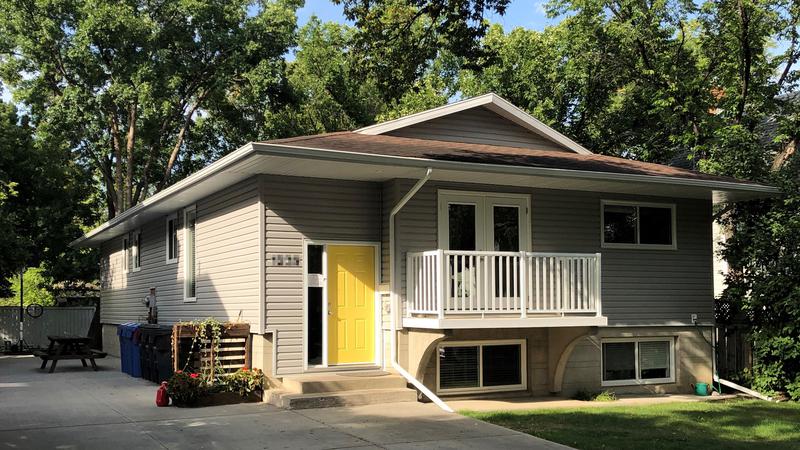
For now, Canada’s consulate is being housed temporarily in Iceland’s consulate — a red, gable-roofed timber house, like most of the buildings in Nuuk’s old town. Crôteau said the plan is to eventually appoint a permanent consul and have a stand-alone building.

She said Ottawa has not yet sorted out whether the job will come with added compensation for a hardship posting — a bonus that applies to particularly challenging, isolated or dangerous assignments.

Ottawa first promised the consulate in late 2024, before U.S. President Donald Trump returned to the White House and escalated his threats to somehow acquire Greenland. Those threats launched a diplomatic crisis with Denmark.

The consulate opening was supposed to happen in November, shortly after Crôteau’s arrival, but Ottawa says bad weather delayed those plans.

Foreign Affairs Minister Anita Anand revealed last week that Canada plans to open a consulate in Anchorage, Alaska this year.

Inuit Tapiriit Kanatami, which represents Inuit in Canada, has said it expects the consulate to include Inuit voices in its diplomatic outreach, and to follow through on a 2022 agreement to improve Inuit mobility between Canada and Greenland.

Crôteau said Ottawa wants tangible progress on the mobility front and will also be learning from Denmark’s ongoing chairmanship of the Arctic Council until Canada takes on the role in 2029.

Vivian Motzfeldt, Greenland’s foreign minister, told a reception celebrating the opening of Canada’s consulate earlier this month that the diplomatic mission is more than a much-appreciated symbolic gesture of solidarity.

“This consulate will serve as an essential bridge to future co-operation, especially as we work to secure peace and sustainability in our shared Arctic region,” she said, calling for more ties in “trade, transport, education, culture, sustainable development and Arctic security.”

Former Greenland politician Tillie Martinussen told The Canadian Press during a visit to Nuuk earlier this month that Canadians should be ambitious in how they partner with Greenlanders.

“Trade, business, tourism — you name it, we’re kind of game,” she said. “The consulate would have to make sure they don’t only keep up with the political landscape but … also the regular Greenlanders who are good at analyzing where our society is going.”

Inuit from Greenland and Canada’s North could share art, music and design through podcasts on YouTube and support the territory’s growing film industry, Martinussen argued.

She said Inuit could share solutions to social issues common to both regions, such as elevated suicide rates — particularly among men who feel displaced in a changing society — and the need to get more young people into advanced education.

Martinussen has visited Iqaluit at least 10 times and has also visited Montreal, Toronto and the Nunavut hamlet of Clyde River. She said the Inuktitut dialect is so similar to the one spoken in Greenland that it’s “baffling when you go there the first time.”

She said Inuit in both territories have a lot in common with both Canadians and Danes.

“Our mentality is very much also like the whole of Canada. The humour is kind of the same. We swear a lot too — it’s OK to do that, it’s not an American culture in that way. It’s more free and happier in general, because we have free health care and education and stuff that binds us together,” she said.

She said Inuit exchanges are happening at high levels through the Inuit Circumpolar Council but more could be done by activists, artists and teachers.

Martinussen said Greenlanders also would welcome more products from Canada, since they’d likely arrive faster and be cheaper than what gets shipped from notoriously pricey Denmark.

She called for more research on physical health issues affecting Inuit, such as skin problems that might stem from genetic factors that might manifest differently in populations that don’t originate in the Far North.

Martinussen said Greenland’s ties with Denmark have become closer as a result of Trump’s threats, following years of strain and flashpoints like recent reports that Danish physicians forced birth control on Greenlandic patients without their consent.

Danish Prime Minister Mette Frederiksen’s firm line against Trump’s threats and her decision to include Greenland’s elected representatives in talks at the White House has made her popular with Greenlanders, Martinussen said.

“What has happened during the Trump crisis is that Greenland and Denmark are co-ordinating, working together, standing side by side, in all official means,” she said. “It sort of signalled a new era for us and a new way to go forward.”

She said Greenlanders believe Trump is not done threatening their autonomy.

“We just don’t know when the next reign of terror will come,” Martinussen said. “We know that he surrounds himself with a lot of white supremacists, so he has no regard for Inuit people at all — no Indigenous Peoples.”

Crôteau said Canadians should keep in mind that Trump’s comments have “real human implications.”

“We hear a lot about the geopolitical situation, and it seems very kind of far away, but it has real impacts on people and on their feeling of safety and well-being.”

This report by The Canadian Press was first published Feb. 21, 2026.

Dylan Robertson, The Canadian Press