Stay informed with the LNN Daily Newsletter
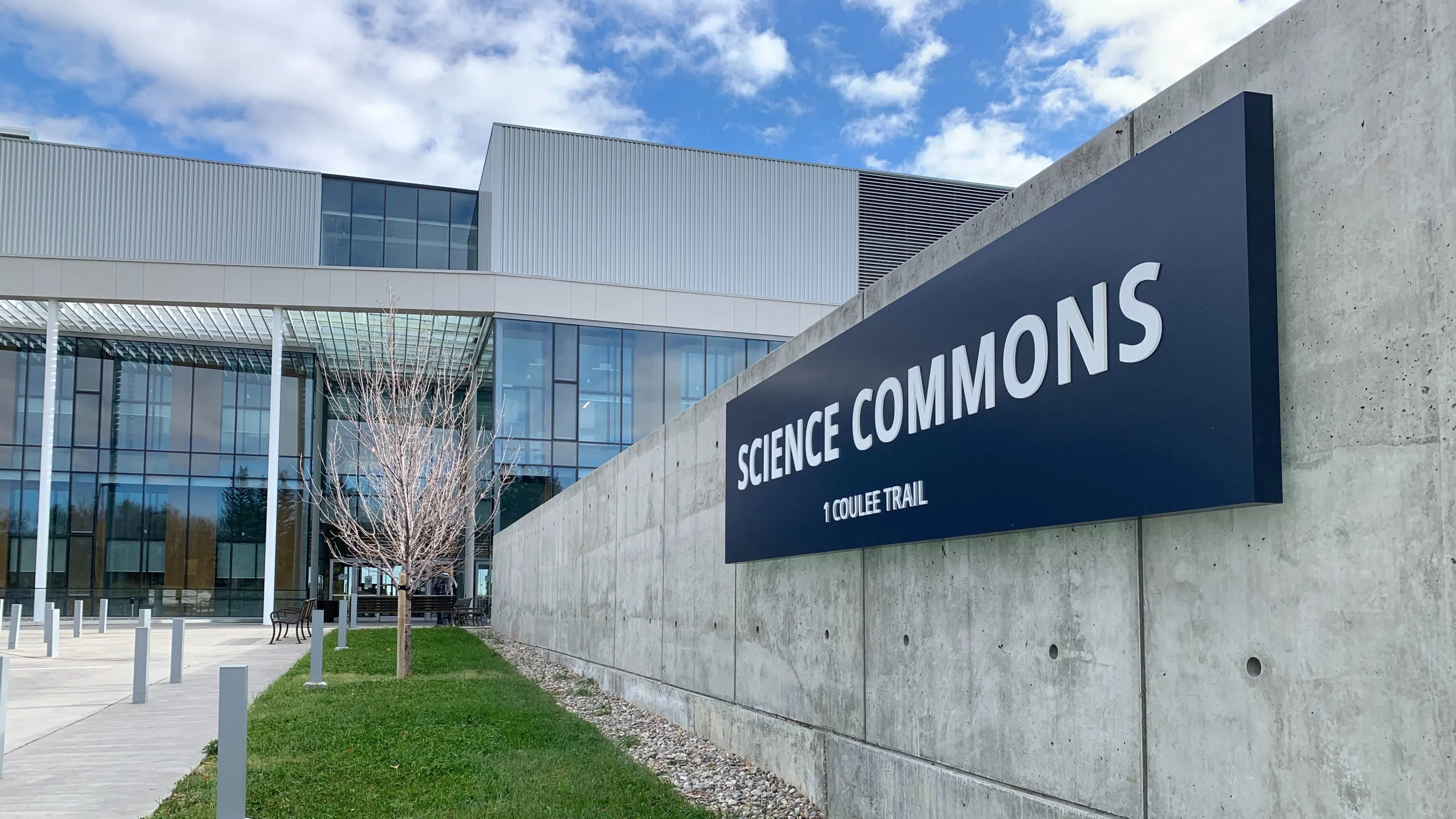
The University of Lethbridge Science Commons building. (Image Credit: Lethbridge News Now)

U of L announces Research and Creative Activities Plan

Feb 24, 2026 | 1:11 PM

The University of Lethbridge (U of L) is launching a new framework to guide research.

It has announced its new Research and Creative Activities Plan (RCAP), which is meant to spark ideas and realize impact through a “focused and fearless approach.”

Dr. Dena McMartin, Vice-President of Research, says the U of L was created 60 years ago because southern Alberta demanded its own university.

She relishes that responsibility as it inspires everyone in their research and creative activities.

“The research work that is done here is intentional and strategically focused, building on our strengths, nurturing collaboration, sharing expertise and breaking new ground. This plan represents those ideals,” says McMartin.

The RCAP is built on four fundamental focus areas:

  • Foundations — Valuing the ways the University serves, benefits and works with the Blackfoot Confederacy and other Indigenous Peoples, Indigenous culture informs all we do, and our work animates Canada’s commitments to the Calls to Action in the Truth and Reconciliation Commission report.
  • Ideas — Discovery and knowledge-production are fundamental principles in research and creative activity, with our work driving discovery and re-imagining technologies, our understandings of intelligence and what it means to be a contributing citizen of the world.
  • Systems — We recognize the complexity of human, ecological and societal systems and that the role of humans in the world is complex and dynamic and must be addressed through a variety of lenses in ways that reflect our liberal education foundations.
  • Places — Our connection to place is embedded into our nature, and where we live and where we come from shapes how we think, learn and behave. Likewise, knowledge production is the basis for all community and well-being research and advancements in knowledge must encompass the cultural and physical landscapes that inform our work.

The University says in a news release that the RCAP was developed through extensive consultations, which included faculty members, students, community and corporate partners, and further collaborative efforts of the Research Planning Committee.

You can learn more about the RCAP at ULethbridge.ca