Stay informed with the LNN Daily Newsletter
Lethbridge Police Chief Shahin Mehdizadeh. (Image Credit: Dave Lueneberg/LNN)
Starting June 15, 2026

Lethbridge Police launch body-worn camera program

Jun 11, 2026 | 1:01 PM

Lethbridge Police officers on the frontline will begin wearing body-worn cameras to record interactions with the public, starting June 15. 

LPS says body-worn cameras provide an objective record of law enforcement interactions, supporting transparency, accountability and strengthening public trust. Officials say the technology also enhances evidence collection and can help expedite investigations, complaint resolution and court proceedings. 

“We know trust is built through transparency,” said Chief Shahin Mehdizadeh. “Body-worn cameras give the public greater confidence in how we serve the community. “At its core, this program reinforces our commitment to accountability, and supports safer interactions for the public and our officers by providing a clear record of what occurred while respecting privacy and the law.” 
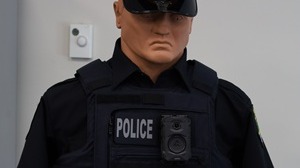

(Image Credit: Dave Lueneberg/LNN)

LPS notes, the implementation of body-worn cameras is mandated by the Government of Alberta for all police services across the province. 

LPS partnered with Axon Public Safety Canada for the procurement of 165 body-worn cameras and a digital evidence management system. Officials say the roll-out will occur in phases, beginning with nine officers – eight on patrol teams and one traffic member – who will test the new equipment and procedures over the next four weeks. 

From June to November, LPS says additional cameras will be deployed, and by the end of the year, all uniformed officers, including Community Peace Officers, will be equipped with body-worn cameras. Officials say plain clothes officers will also have access to body-worn cameras in the course of their duties. 

LPS says body-worn cameras will be used during police interactions with the public, including but not limited to calls for service, traffic stops, investigative detentions, arrests, prisoner-handling, interactions that may become adversarial, mental health apprehensions and any situation where evidence may be obtained. 

When safe and practical, officials say officers will advise individuals they are being recorded but notification is not required. When the camera’s red light is activated, recording is in progress. 

LPS says officers have received training on body-worn camera use and policies are in place to balance the privacy rights of all individuals captured in body-worn camera recordings – accused persons, victims, witnesses and bystanders – with law enforcement needs. 

According to officials, the LPS body worn camera policy identifies places and situations where it would not be appropriate to record, except in emergency circumstances. These include places where the expectation of privacy is high and situations where privacy is essential, for example intimate searches.

In addition, officials say body-worn cameras will not be used in the LPS short-term holding facility or the front desk, where CCTV systems are already in place. 

LPS says the disclosure of body-worn camera footage is governed by the Access to Information Act and Protection of Privacy Act. Public requests for footage follow the same process as other record requests. In limited circumstances, LPS says it may publicly release camera footage to further an investigation. 

To support the addition of body-worn cameras in police operations, LPS says it has established a Media Disclosure Unit consisting of four civilian positions – a Coordinator and three Media Disclosure Technicians. Officials say the unit will manage video evidence, including visual and audio redactions, disclosure and compliance with privacy legislation. 

LPS says the annual cost to operate the body worn camera program is estimated to be up to $950,000. 

For more information about the LPS body-worn camera program visit https://www.lethbridgepolice.ca/bwc