Stay informed with the LNN Daily Newsletter
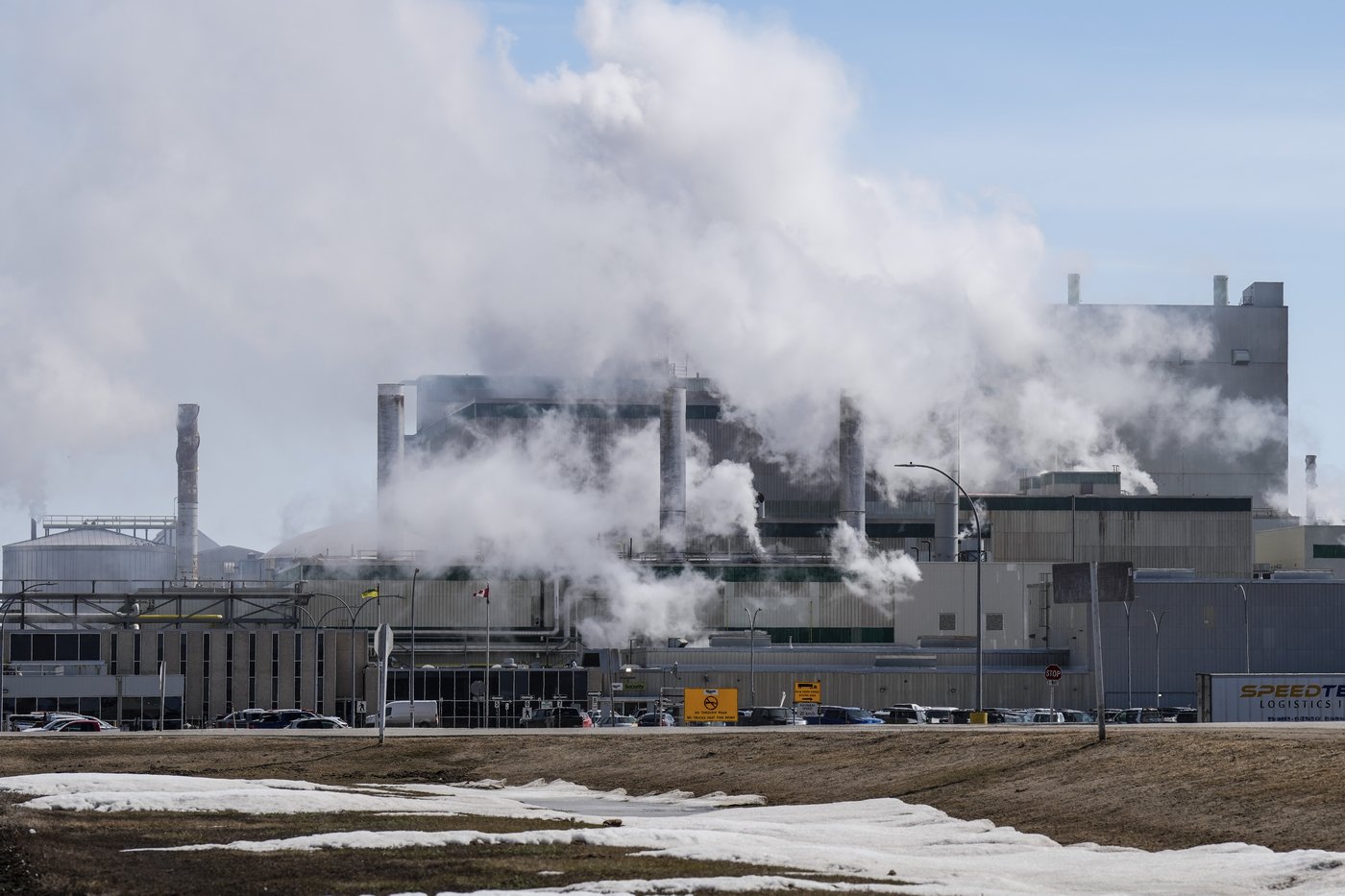
A view of the Mosaic Potash plant in Belle Plaine, Sask. on Monday, April 7, 2025. THE CANADIAN PRESS/Chris Young

Trump’s planned potash deal with Belarus to thwart Canada not so easy: analysts

Sep 21, 2026 | 9:44 AM

As U.S. President Donald Trump works on a deal to buy potash from Belarus to lessen dependence on Canadian fertilizer, industry analysts say the proposal would likely be difficult and costly.

“President Trump says a lot of things,” said Erin Weir, an economist who studies potash and a former Saskatchewan NDP member of Parliament.

“Belarus is one of the major potash producers, but I don’t think it has some stock of potash in reserve that President Trump is going to be able to access.”

Trump announced the would-be agreement with Belarus in a social post Monday.

He said prices would be “substantially less” than what American buyers pay Canadian exporters and “very good news” for American farmers and ranchers. Potash is a key component of fertilizers used by farmers.

Belarus, a close Russian ally, has aided Moscow in its attacks on Ukraine since Russia’s full-scale invasion four years ago. Potash prices skyrocketed after the invasion but have come down since, though they remain above prewar levels.

Weir said there are logistical problems with getting Belarusian potash to the United States.

For starters, he said, Belarus doesn’t have a lot of extra potash lying around for sale.

There are also issues with transporting it out of the landlocked country that no longer has access through its neighbour, Lithuania, which has closed border crossings, he added.

Saskatchewan, the world’s largest producer of potash, has the advantage of being on the same continent as the United States, said Weir.

“It’s possible for us to put potash on trains to the American states that are growing corn,” he said. “That’s a lot easier than trying to ship potash to an American port and then put it on trains.”

Even President Alexander Lukashenko has acknowledged his country’s limitations.

He said in a Monday news release that Belarus can’t supply the United States with large volumes of potash.

“Even if we wanted to supply (potash) to other, Western markets, we simply do not have those volumes — everything is contracted,” Lukashenko said.

Trump’s comment on potash comes as both Canada and the United States are embroiled in a trade war with tit-for-tat tariffs on a wide range of products.

While potash remains exempt from U.S. levies, Trump has said his country doesn’t need Canadian goods, even though Canada supplies it with critical resources that it doesn’t produce.

A report from the U.S. Geological Survey says the United States imported 80 per cent of its potash from Canada from 2021 to 2024, followed by smaller number of imports from Russia, Israel and other countries.

Natural Resources Canada says nearly half of Canada’s potash exports go to the United States, worth $4.2 billion.

Pam Schwann, president of the Saskatchewan Mining Association, said she questions how cost-effective it would be for the United States to get Belarusian potash.

“The costs are what the costs are,” she said. “Our potash mines are price-takers in a global market. They don’t set the price. It’s what’s negotiated. So, I would anticipate that would be the same way with any Belarusian potash.”

Schwann said the industry will continue to support the needs of its American customers while expanding to other markets.

“You have to pay attention to (what Trump is saying), but not overreact and think that all of our potash that’s moving into the United States is going to be displaced by Belarusian potash,” she said.

“It’s just not possible.”

Weir added Canadians should take Trump’s comments with “a grain of salt, or perhaps a grain of potash.”

“There’s a lot of demand for potash in the world. And potash production is concentrated in very few jurisdictions, and that actually gives Saskatchewan a lot of bargaining power,” he said.

Fertilizer Canada said in a statement that Canadian potash has been a reliable supplier for North American farmers and that the integrated supply chain has supported affordability.

Amid the trade war, some premiers have argued the country should get tougher on Trump by using its natural resources as leverage.

Ontario Premier Doug Ford has said Canada should block potash and oil shipments to the United States.

Saskatchewan Premier Scott Moe has said his province is opposed to halting potash exports. He’s also against any export taxes, arguing it would crush the province’s economy and cause fertilizer prices to increase.

Saskatchewan Opposition NDP Leader Carla Beck said Monday that Trump’s latest comment amounts to an attack on the province’s potash industry.

She urged Moe to provide “a real response” to Trump.

The province recently imposed a 50 per cent retaliatory tax on U.S. booze.

This report by The Canadian Press was first published Sept. 21, 2026.

Jeremy Simes, The Canadian Press