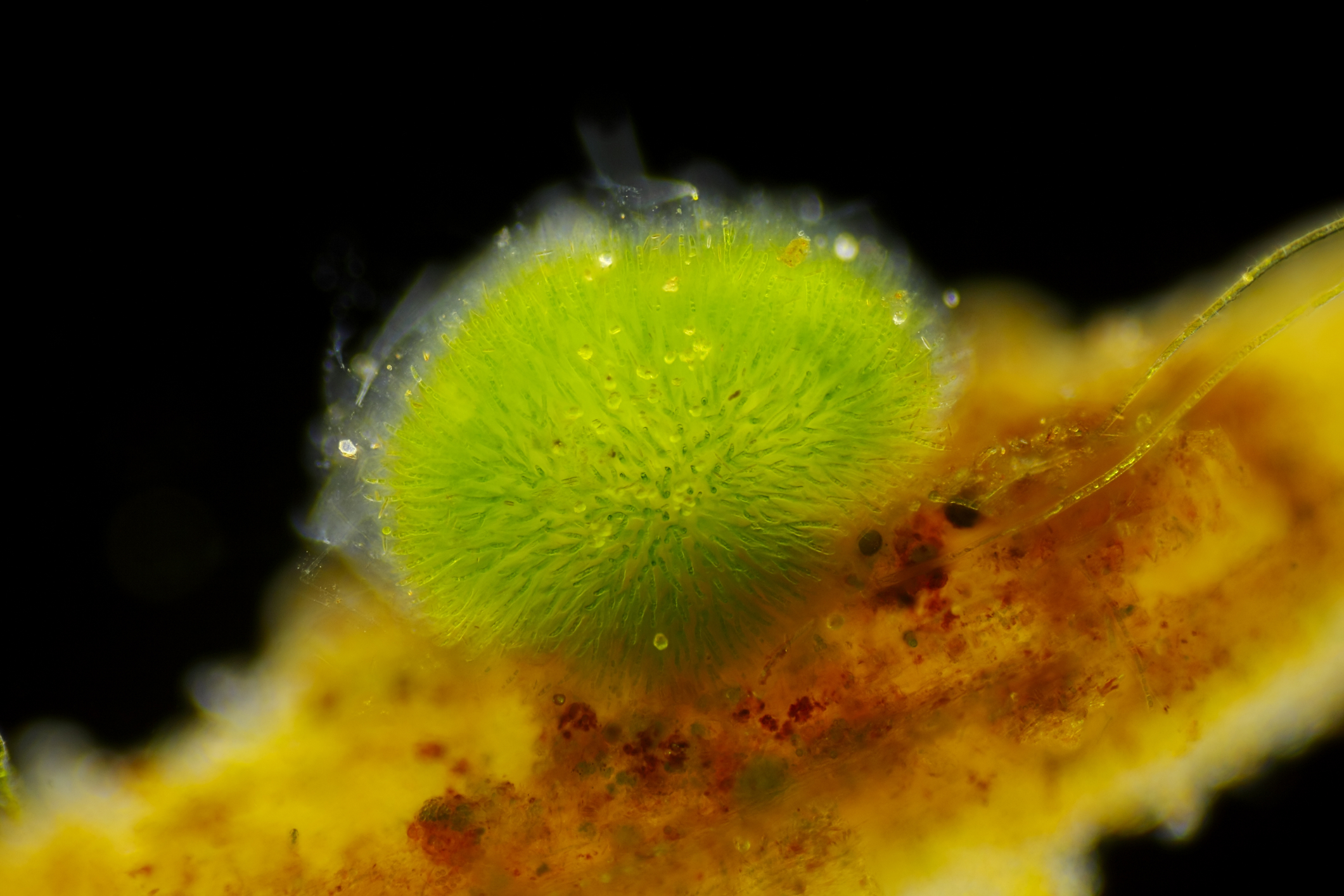
(Image Credit: ID 143728771 © Buccaneer | Dreamstime.com)
and water quality advisories
Cyanobacteria advisories lifted across Alberta
Nov 3, 2026 | 2:18 PM
-
Share on Facebook
-
Share on Bluesky
-
Share on X
- Copy Link
Cyanobacteria (blue-green algae) advisories have been lifted across Alberta, according to Alberta Health Services.
Recent weather has cooled lake and reservoir water temperatures to such an extent that cyanobacteria and water quality, including fecal bacteria levels, present a low health risk for usage of the lake for recreational purposes, officials say.
Effective immediately, Alberta Health Services has lifted the cyanobacterial bloom advisories for:
- Astotin Lake
- Beaver Lake
- Blood Indian Creek Reservoir
- Bonnie Lake
- Buffalo Lake (North)
- Chump Lake
- Driedmeat Lake
- Eagle Lake
- Floatingstone Lake
- Goose Lake
- Half Moon Lake
- Hope Lake
- Iosegun Lake
- Isle Lake
- Lac Cardinal
- Lac La Biche
- Lac La Nonne
- Lac Ste. Anne
- Lake Sundance
- Lessard Lake
- Long Lake (Thorhild County)
- Matchayaw (Devil’s) Lake
- Milk River Ridge Reservoir
- Moonshine Lake
- Moose Lake
- Nakamun Lake
- Paddle River Reservoir
- Pigeon Lake
- Pine Lake
- Reesor Lake
- Severn Creek Reservoir
- Shorncliffe Lake
- Skeleton Lake
- Steele (Cross) Lake
- Stoney Lake
- Thunder Lake
- Touchwood Lake
- Wabamun Lake
- Winagami Lake