Stay informed with the LNN Daily Newsletter
ID 42704607 © Zlikovec | Dreamstime.com
Health Care

Province aiming to create faster access to preventative care

Oct 22, 2025 | 5:05 PM

The Alberta government has announced new reforms aimed at expanding access and choice for preventative screening, elective testing and other diagnostic services to deliver faster, more effective care.

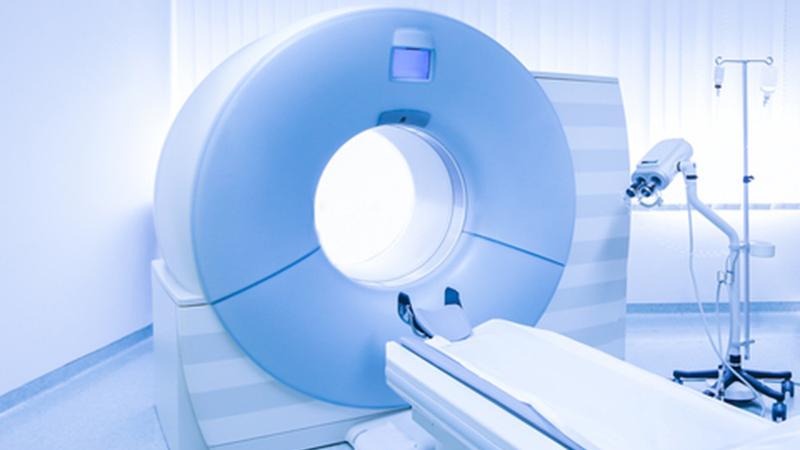
The province says enhancing access is the clear path to achieving better health outcomes and patient autonomy for Albertans, and reducing health care system strain. According to the government, new legislative reforms will allow Albertans to privately purchase any diagnostic screening and testing services they wish, including MRIs, CT scans, full-body scans and blood work.

The government says these reforms will also allow health professionals and medical organizations to offer these services privately and enable supplemental health benefits plans to insure them. The province says preventative care can identify developing heath conditions early. Currently, officials say long diagnostic imaging wait times and growing waitlists for preventative screening are delaying timely care for Albertans.

Under Alberta’s Public Health Guarantee, the government says all physician-recommended tests will continue to be fully covered and prioritized in all facilities, public or private, across the province. Provincial officials say if a privately purchased test reveals a significant or critical condition, the out-of-pocket cost will be reimbursed, ensuring no Albertan pays for a medically necessary test.


The government says expanded access to elective testing, screening and other diagnostic services will attract new investment in diagnostic technology and facilities. This approach is expected to increase capacity, shorten wait times and reduce pressure on Alberta’s public health system.

“Albertans deserve timely answers about their health,” stated Danielle Smith, Premier of Alberta, in a press release Wednesday. “By expanding access to preventative and elective testing, we’re empowering people to take control of their care and reducing wait times across the system.”

The government says advances in artificial intelligence and diagnostic technology are making earlier detection more accessible and effective, leading to improved access with a focus on proactive, patient-centered care for millions of people around the world.

Provincial officials say nations with strong public health systems like Germany, Japan, South Korea and Switzerland have seen a significant number of private preventative clinics being established to handle an increased demand for these services.

“By giving Albertans more choice to access elective testing, screening and other diagnostic services, we are ushering in an innovative, new era of preventative health care in the province,” explained Adriana LaGrange, Minister of Primary and Preventative Health Services. “Expanding access to preventative health services will strengthen Alberta’s public health care system, ensuring improved outcomes and greater benefits for all Albertans across the province.”

The government says improving access to preventative screening will support Albertans in getting the care they need in the early stages of a health condition. Officials say the greatest improvement for cancer and heart disease survival rates is early detection.

For example:

  • When lung cancer is caught early, the survival rate is more than 60 per cent; if caught late, it is only 24 per cent.
  • For stomach cancer, survival rates reach 70 per cent if caught early, compared to 32 per cent if caught late.
  • For breast cancer, survival rates are now more than 93 per cent if caught early.

The government says it is also far less costly and less invasive to treat these conditions in their early stages, as opposed to when they have reached an advanced stage.

““While there is no cure for Alzheimer’s disease or dementia, early detection helps people begin treatments and lifestyle supports that improve quality of life,” said Kelly McClung, president and CEO, Alzheimer’s Society of Alberta and Northwest Territories. “It also gives individuals and families time to talk openly about wishes and future plans while the person living with dementia can fully participate.”

The Alberta government says it will be conducting engagement with stakeholders on the proposed changes. This work is expected to help inform what legislative and policy changes might be needed to allow for increased access to preventative screening options. The province says further details will be shared in the coming months.

Sarah Hoffman, Alberta’s New Democrat Shadow Minister for Hospital and Surgical Health Facilities, issued the following statement in response:

“Danielle Smith promised to fix the healthcare system in 90 days. Two years later, far too many Albertans don’t have access to the care they need, and they are tired of waiting for surgeries, scans and tests. While this government may try to tell you today’s announcement is a solution or an easy fix by providing new private-pay options, in reality, it creates a two-tier system based on those who can pay, and pulls resources away from our public health care system. It creates longer wait times for those that need care and poorer health outcomes.”

Friends of Medicare says introducing American-style health care will see Albertans paying out of pocket for private diagnostic screening and testing services, including MRIs, CT scans, full-body scans and blood work.

“To think that permitting Albertans with unaddressed health needs and money to spare to access potentially unnecessary diagnostic tests will somehow reduce our wait times is completely ludicrous,” says Chris Gallaway, executive director of Friends of Medicare, in a press release Wednesday. “Every time this government announces another new privatization scheme they claim it will save money and increase access to care. But Albertans have seen over and over that these schemes never actually pan out as promised, and instead reduce public capacity, worsen wait times for patients, and ultimately cost us more.”

Alberta government quick facts

  • CT scans rose by 8.3 per cent from 2023–24 to 2024–25, but waitlists grew 44.2 per cent. Edmonton had the longest CT wait at 368 days; the South Zone had 123 days.
  • MRI scans increased 5.2 per cent from 2023–24 to 2024–25, while waitlists grew 40.7 per cent. Calgary recorded the longest MRI wait at 426 days.
  • Early-stage Alzheimer’s or mild cognitive impairment (MCI) is characterized by subtle changes in cognitive function that are noticeable to the individual and sometimes to close friends and family, but don’t significantly interfere with daily life.