Stay informed with the LNN Daily Newsletter
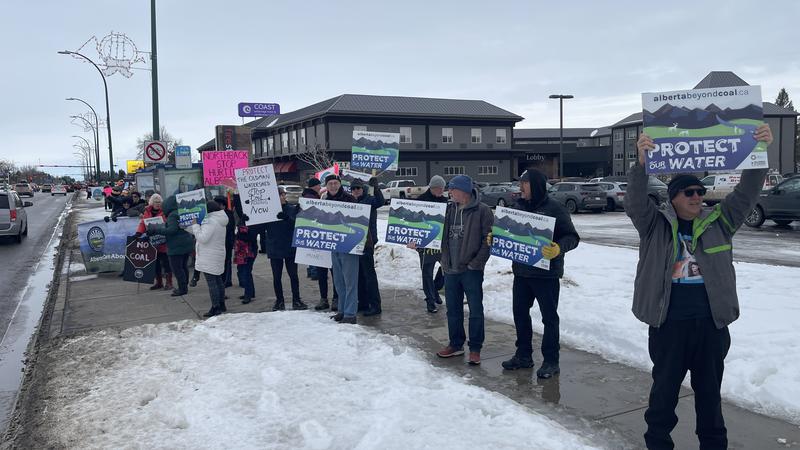
Dozens of people protested along Mayor Magrath Drive South, in opposition to the proposed Grassy Mountain coal mine. (Photo: Lethbridge News Now)

Mining CEO touts benefits of Grassy Mountain project as protesters warn of environmental harm

Dec 8, 2025 | 3:44 PM

The CEO of a major minerals company believes that a proposed steelmaking coal mine would greatly benefit southern Alberta.

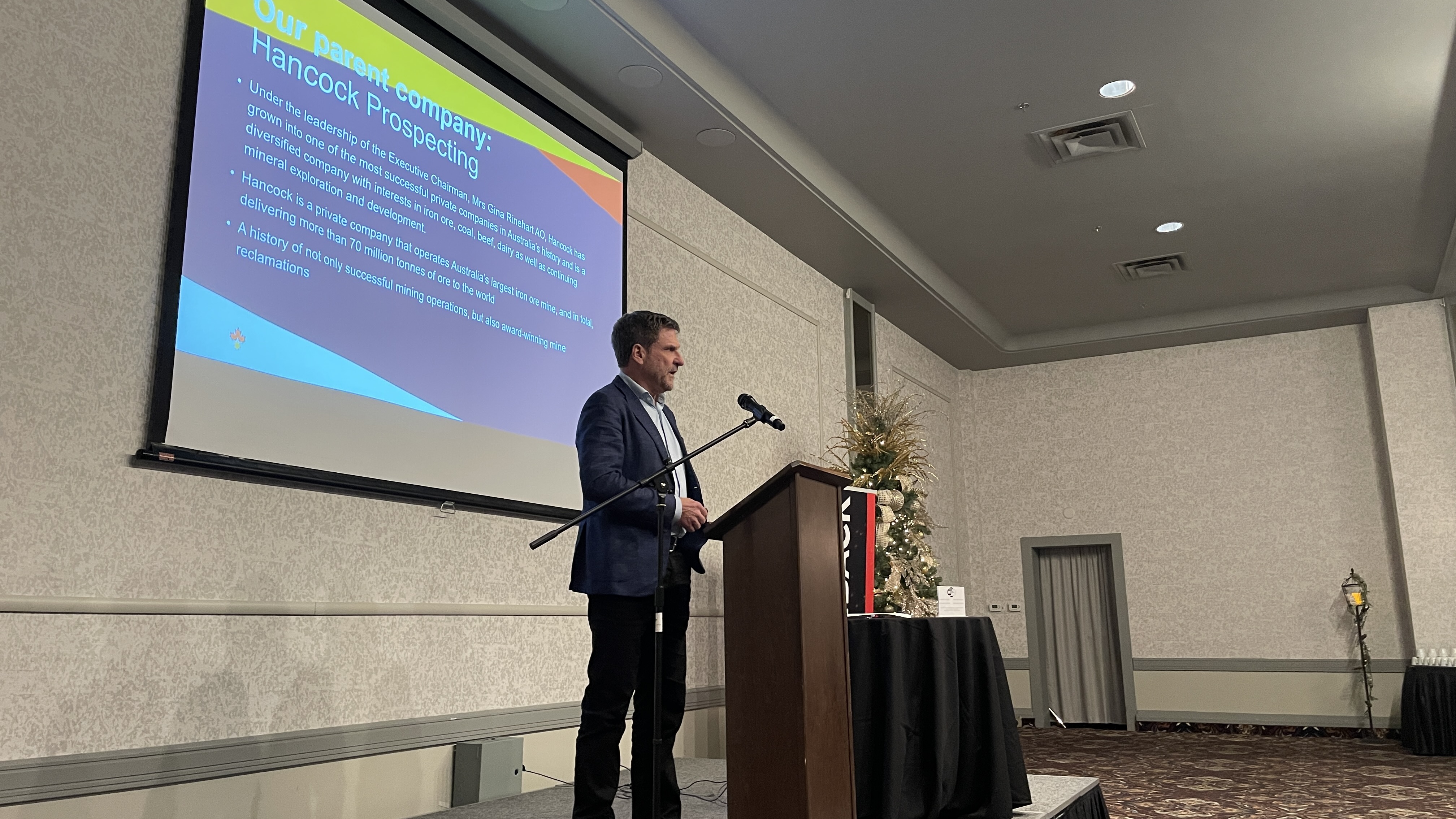
Mike Young, Chief Executive Officer of Northback Holdings, spoke about the Grassy Mountain project at a Lethbridge Chamber of Commerce event on Monday, Dec. 8.

He says the mine, which would be located about six kilometres north of Blairmore in Crowsnest Pass, would carefully balance boosting the economy with protecting the environment.

Economic Benefits

The construction of the mine would create as many as 600 jobs, while 300-400 people would be employed on an ongoing, full-time basis once it is up and running.

Young said his focus would be to hire local people as much as possible, and buy tools and other supplies from southern Alberta wherever possible.

He believes that this would be especially beneficial for the people of Crowsnest Pass, as nearly three-quarters of residents voted in late 2024 to support the development and operations of the metallurgical coal mine.

Young says it would produce 2.5 metric tonnes of steelmaking coal every year, generating hundreds of millions of dollars in tax revenues and royalties over its lifetime for the various levels of government.

Then-mayor Blair Painter said that Crowsnest Pass does not have a lot of industries, and feels the mine would help to reduce the tax burden on the public.

READ MORE: ‘We need an industry’: Crowsnest Pass residents voting on support for new coal mine

Mike Young, CEO of Northback Holdings, speaks about the proposed Grassy Mountain coal mine at a Lethbridge Chamber of Commerce event. (Photo: Lethbridge News Now)

Young declined to take part in an interview after his presentation, and local media instead spoke with Rina Blacklaws, vice president of industry development with the Coal Association of Canada.

“Certainly, projects like this and others that the province is evaluating have the opportunity to provide a responsible resource that the world needs, which is steelmaking coal, needed to make steel, as well as the economics that support communities and First Nations communities,” says Blacklaws.

Protest

Outside of the Coast Lethbridge Hotel and Conference Centre, nearly 100 people held up signs and/or sang songs to show their opposition to the project.

Cheryl Bradley, director of the Southern Alberta Group for Environment, helped to organize the protest.

She says southern Albertans have, overall, been strongly opposed to the mine since it was first introduced in 2013.

Her main concern is the potential for selenium to leak out from the mine site into the Oldman River Watershed.

The Watershed feeds many of southern Alberta’s rivers and lakes, covering more than 23,000 square kilometres in the province. It supplies fresh water to communities and farms across the region.

“If the river was contaminated, and we have examples from British Columbia from Elk Valley, where contamination has occurred several hundred kilometres downstream in Lake Koocanusa, in Lake Montana,’ says Bradley. “The mining [companies] in the Elk Valley has spent over a billion dollars trying to figure out how to remove selenium, and they have not succeeded.”

She also pointed to a recent report that shows wind-blown coal dust from mines in the Elk Valley have contaminated snowpacks and lakes in Alberta.

READ MORE: Chemicals from old coal mines in Crowsnest Pass ‘poisoning’ fish

READ MORE: U.S. study finds Canadian mining toxin in American waters; treatment ‘a small dent’

Bradley says there is currently no technology that can effectively remove selenium from waterways once it has leaked into them.

The City of Lethbridge reaffirmed its opposition to the mine in February 2025. Councillor Belinda Crowson said at the time that there is “little scientific information on how to address selenium at the water treatment level.”

She, along with the rest of city council, was concerned about how water contamination would impact agriculture, which is one of the region’s largest industries, as well as the health of those who drink and cook with it.

READ MORE: City of Lethbridge remains opposed to new coal mines, wants to protect watershed

READ MORE: Country singer Corb Lund gets OK to launch anti-coal petition drive in Alberta

Responding to Environmental Concerns

Young said in his presentation that the best way to mitigate selenium contamination is to not have it enter the waterways in the first place.

He assured those in attendance that there are “many proven effective ways” of treating selenium.

The Grassy Mountain mine, if approved, would not draw any water from nearby lakes or rivers. Instead, they would accumulate rainfall and snowmelt and use that.

The site would include a dedicated water treatment facility targeted at reducing the amount of selenium present, and up to 80 per cent of their used water would be recycled.

Northback would also construct surge ponds that can withstand a “one-in-200-year weather event.”

They are also planning to move 50 per cent less rock than what was in their original plan, in an effort to disturb as few contaminants as possible.

Once the mine has reached the end of its life, Young says that they would fully reclaim the area and return it to a natural state.

Next Steps

The Grassy Mountain mine project remains under review by the Alberta Energy Regulator (AER).

Young says it is impossible to know for sure if, or when, the AER would approve the project. Currently, they have only been approved for a coal exploration permit, which allows them to more deeply study coal deposits.

READ MORE: Alberta Energy Regulator approves coal exploration at Grassy Mountain

Public feedback is currently being accepted, and you can do that by visiting aer.ca

If the project receives full approval, the CEO states that it would take about two years to construct the mine site.

He is optimistic that they will be able to start pulling coal out of the ground by 2030.