Stay informed with the LNN Daily Newsletter
Ken Coles, Executive Director, Farming Smarter (Image Credit: Farming Smarter)
Multiple Ways To Support

Farming Smarter launches 2026 season

Apr 1, 2026 | 1:32 PM

Local nonprofit Farming Smarter is seeking the public’s help as they launch their 2026 season.

The organization held a media event Tuesday, March 31, to showcase their past efforts while looking at upcoming and ongoing projects.

“There’s a lot of change here,” says executive director Ken Coles. “There’s a lot of new people, new purpose and new restructuring as we try to meet the needs of farmers.”

In January 2026, the Canadian government announced it would be closing seven Agriculture and Agri-Food Canada (AAFC) research centres, including Farming Smarter’s Lacombe County Facility.

Farming Smarter is now seeking support from farmers and community members to help continue their work of finding innovative farming solutions.

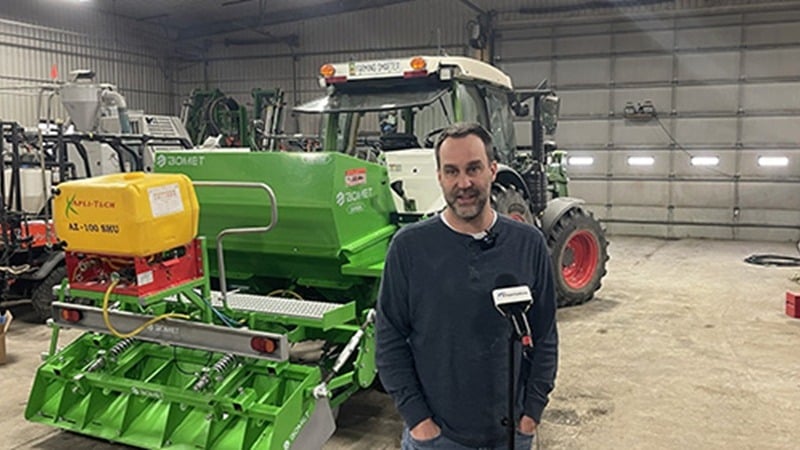
“I think that organizations like ours are the only obvious solution to cuts within public research,” says Coles. “I don’t know that we have a strong enough voice that we get noticed on the national stage, but we’ve been growing and building our capacity to meet those demands, but those are pretty big shoes to fill.”

Farming Smarter has multiple ways people can offer their support, including:

* Sponsorship packages

o Sponsors will receive perks like event passes, featured promotional opportunities, and more.

* Subscription bundles

o Subscribers will be able to participate in educational opportunities and receive personalized advice delivered through one-on-one sessions.

* Smart Partner Program

o Farmers, businesses, and others will be able to connect with one another while receiving perks like free event registration and discounts at partnering organizations.

* One-time or recurring donations

In 2026, Farming Smarter is launching their Spring Wheat Management Under Reduced Irrigation project.

The project looks to address low water reservoirs by exploring the response of spring wheat grown under reduced allocation rates of irrigation.

“This project is aimed at measuring how much irrigation water is required to grow a wheat crop. Put another way, we intend to learn how much we can restrict water for growing wheat so that those water savings can be used to supply higher value or higher need crops on the farm,” says Lewis Baarda, Research Manager at Farming Smarter. “This will provide farmers the evidence needed to make water management decisions on a farm basis.”

Lewis Baarda, Research Manager, Farming Smarter (Credit: Farming Smarter)

Additionally, in 2026, Farming Smarter will be continuing their research into modernizing irrigated crop nutrient response curves, and their Saving Soils Initiative to improve soil health will be entering its final year.

Farming Smarter exists to drive agriculture innovation at the farm level and is the largest agriculture innovation hub in Alberta.