Stay informed with the LNN Daily Newsletter
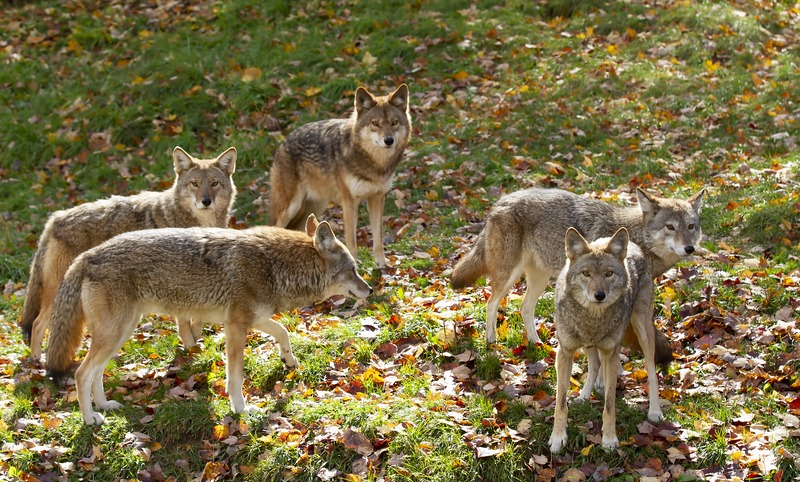
ID 129431156 © Jim Cumming | Dreamstime.com (Image Credit: ID 129431156 © Jim Cumming | Dreamstime.com)
AB Fish & Wildlife

Fish & Wildlife asking for residents help controlling urban coyote populations

Aug 23, 2026 | 6:01 AM

With summer coming to an end and fall around the corner, Alberta Fish and Wildlife is reminding pet owners about coyote safety.

They say leading up to winter, coyotes are searching for food and may try to make a meal out of household pets.

 Fish and Wildlife suggests always keeping an eye on your furry friends when outdoors, especially in areas where coyotes may be present, including urban centres.

In recent years, coyote populations have increased, and Fish and Wildlife says they are making efforts to reduce urban populations, but most measures can pose risks to people and their pets; they are now asking residents to help change the animals’ behaviour by making all human encounters unpleasant.


During encounters with coyotes, Fish and Wildlife suggest:

  • Make it feel unwelcome in your neighbourhood. Even if you are not concerned about problems with coyotes, they should not feel comfortable around us or our homes.
  • Respond to their presence aggressively by making yourself appear larger. Wave your arms overhead, or thrust long objects like a walking stick toward the coyote.
  • Throw rocks, sticks or other objects toward the animal.
  • Shout in a deep voice and maintain eye contact.
  • If the coyote continues to approach, back away slowly and move toward buildings or human activity if the coyote continues to approach.
  • Do not turn away or run. This will encourage the coyote to chase you.
  • For situations involving aggressive encounters, phone the Report-A-Poacher number at 1-800-642-3800 and report the details.

    Fish and Wildlife also provided a list of things to teach children about coyotes:

  • If you see a coyote, never run, even if you are scared.
  • Yell at the coyote in an angry voice and make yourself look bigger by putting your arms in the air.
  • Never approach coyotes or any other wildlife.
  • Do not leave food for the coyotes.
  • Never litter. Keep your home yard, school yards and parks clean.
  • When walking the dog, always keep it on a leash. Pick up the dog feces to throw away in a garbage can.
  • Make sure that you do not let the cat out.

    Anyone wanting more information on how they can help prevent urban coyote populations from growing out of control can visit the province’s website.