Stay informed with the LNN Daily Newsletter
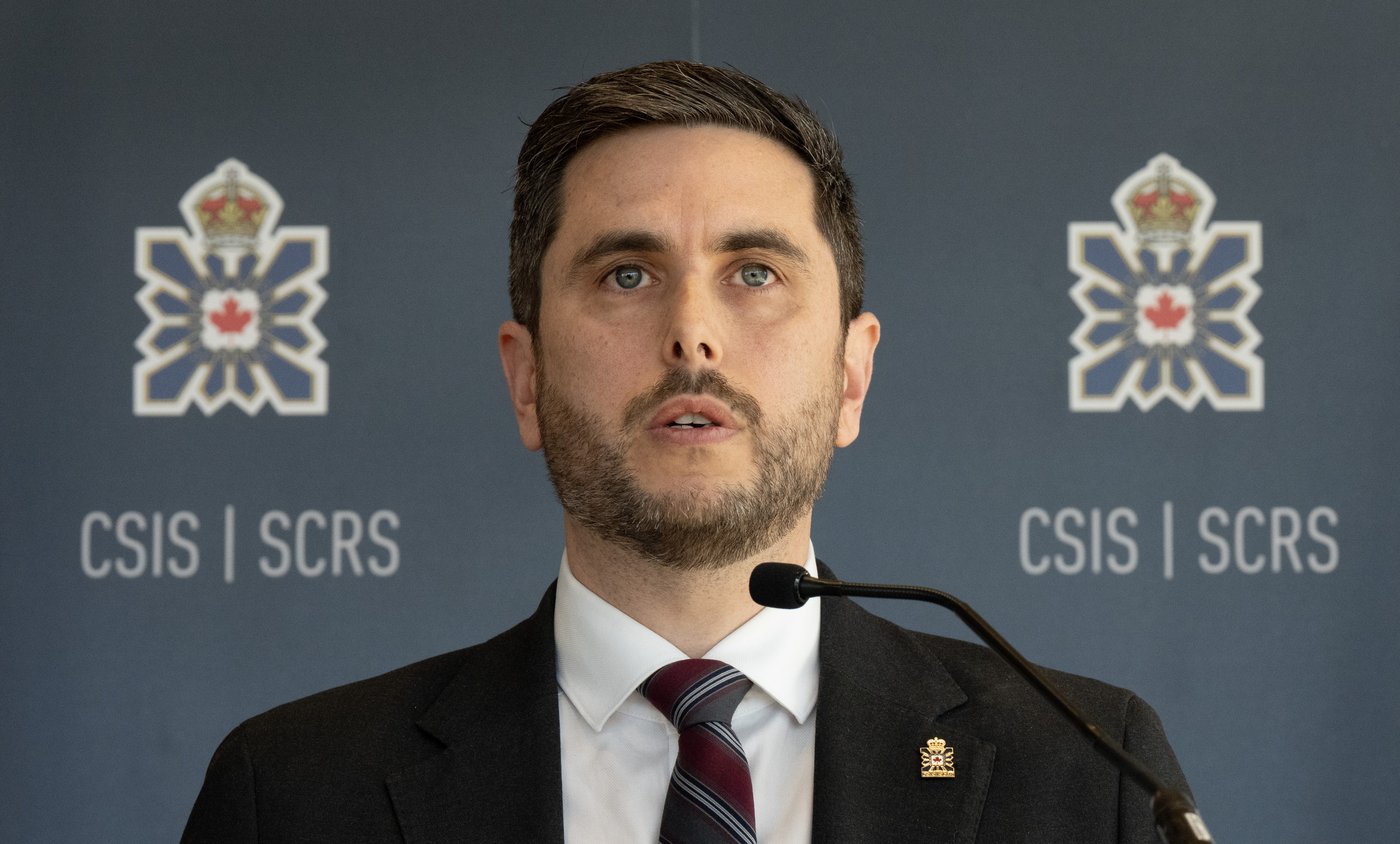
CSIS director Daniel Rogers delivers a speech in Ottawa on Thursday, Nov. 13, 2025. THE CANADIAN PRESS/Adrian Wyld

Watchdog flags problems with spy service’s use of legal authority to commit offences

Sep 29, 2026 | 11:14 AM

OTTAWA — The Canadian Security Intelligence Service may not have complied with the law when using special powers to gather information, a review by the national spy watchdog has found.

The CSIS Act allows designated spy service employees to commit certain offences when collecting information — a measure intended to ensure CSIS operations do not break the law.

A newly released National Security and Intelligence Review Agency report notes there are limitations and requirements tied to this authority to ensure legal curbs on CSIS activities.

For instance, the authority does not permit CSIS to wilfully obstruct justice, infringe on a Charter right or detain, torture or kill a person.


Employees committing offences or directing sources to do so must spell out why they believe the actions are reasonable and proportional in the circumstances.

The intelligence review agency looked at CSIS’s use of the authority in operations in 2022 and 2023.

The CSIS Act says all employees committing an offence, including those engaged in covert activities, must be specifically designated to do so.

The act also requires designated employees to obtain the authorization of a senior official to direct another person to commit an offence.

The review agency says CSIS complied with the restrictions on the types of permissible offences under the framework.

But the watchdog found some employees may have committed offences without the required designation, and that direction may have been given to commit some acts without the authorization required by law.

The report also says CSIS sometimes failed to adequately document the justification for offences.

Employees are supposed to consider multiple elements, including the nature of the threat, the negative effects of committing the offence, the rational link between the offence and the expected results and alternative courses of action.

The report says some justification statements didn’t describe the nature of the threat at all, neglected to outline the anticipated downside of carrying out the offence, or didn’t bother to document consideration of any alternatives.

In addition, the report says, some required internal reporting and notifications to the review agency were not done.

The spy watchdog says CSIS has a duty to ensure all of its operations respect the law, especially when those operations require activity that would otherwise be considered illegal.

The review agency recommends that CSIS improve internal guidance, oversight and quality assurance to ensure use of the justification framework complies with the CSIS Act and internal policy.

CSIS spokesman Eric Balsam said Tuesday that while the intelligence service may not agree with all of the review agency’s findings, “CSIS holds the same strong commitment to transparency and accountability, and takes all potential non-compliance seriously.”

CSIS welcomes the review agency’s recommendations and will take “appropriate steps” proposed by the assessment, he said in a statement.

The review agency’s findings are “deeply disturbing,” said Tim McSorley, national co-ordinator of the Ottawa-based International Civil Liberties Monitoring Group.

“Once again, we see a case where CSIS pushes the boundaries of the law and fails to abide by the rules and regulations meant to instil confidence that they can be trusted with such sensitive powers in the first place,” McSorley said in a statement.

The public deserves clear answers on accountability for the CSIS officers involved and how such lapses will be prevented in the future, he added.

This report by The Canadian Press was first published Sept. 29, 2026.

Jim Bronskill, The Canadian Press