Stay informed with the LNN Daily Newsletter
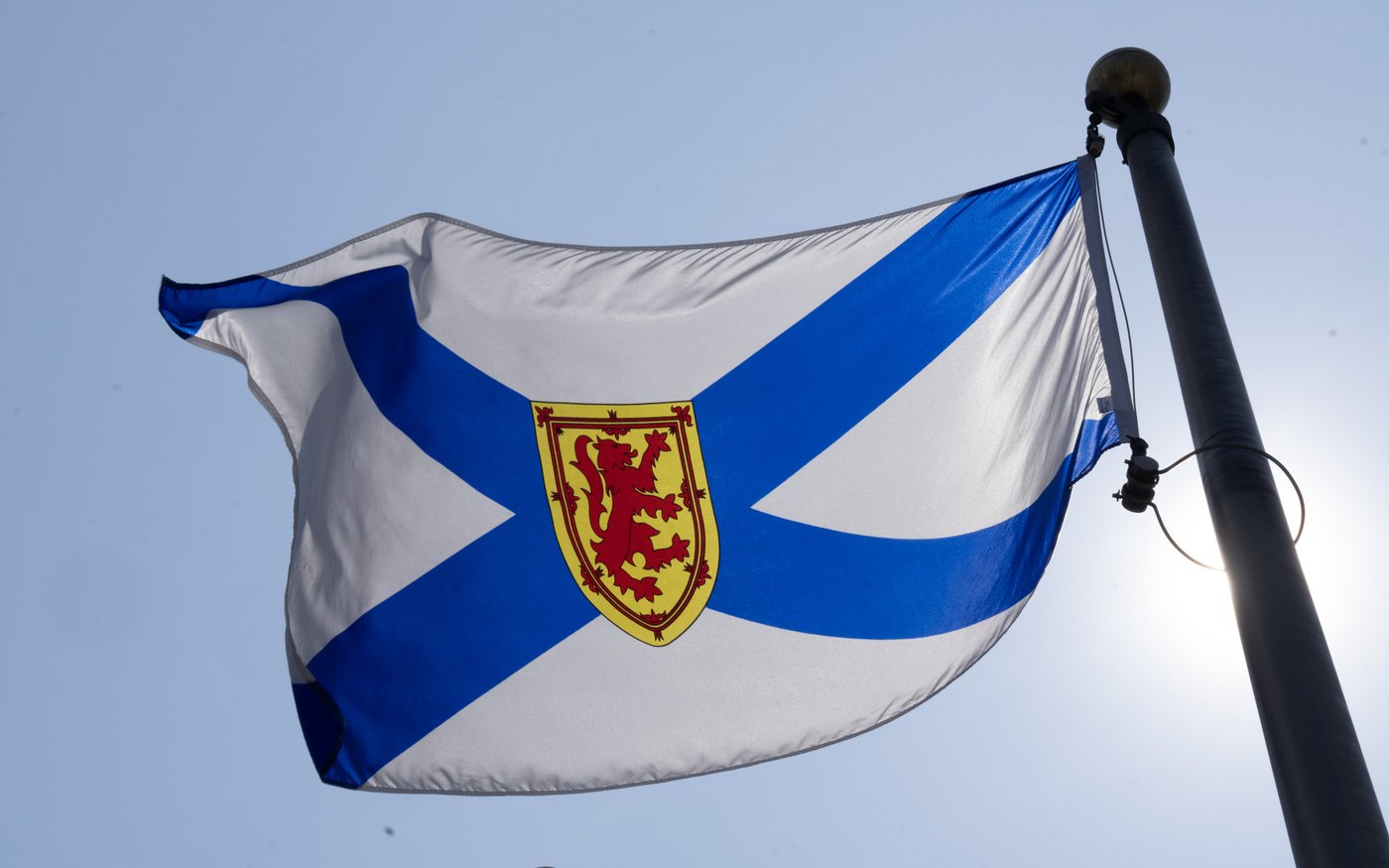
The Nova Scotia provincial flag flies on a flagpole in Ottawa, Friday, July 24, 2026 in Ottawa. THE CANADIAN PRESS/Adrian Wyld

Hockey N.S. launches pilot program to teach young players about consent, hazing

Oct 7, 2026 | 10:18 AM

HALIFAX — The head of a provincial body that governs organized hockey in Nova Scotia is touting a new educational program that targets players after a series of hazing incidents and assaults have rocked the sport.

“There’s been several incidents in hockey over the years and it’s been an area of need,” said Michael Field, the executive director of Hockey Nova Scotia in an interview.

The organization has teamed up with a local non-profit that provides services to survivors of sexual assault to create the program. It aims to teach 13- and 14-year-old players about how to engage in healthy team bonding exercises and how to avoid crossing the line.

“We feel there’s a need to educate players on team culture,” Field said. “Some teams do a great job at it and some team sports don’t. We just want to do all we can to ensure that … team culture is being built in a healthy manner.”


Field said more than 2,000 minor hockey players of all genders will participate in the mandatory program.

It emerged as families and coaches reacted to news reports last February about a hazing incident and sexual assault involving a junior hockey team in Nova Scotia.

A number of them sent emails expressing their concerns about the issue to Avalon, the non-profit that is now working with the hockey association, explained Kailee Wakeman, the director of operations at the centre.

Two under-15 minor hockey players in Colchester County, northeast of Halifax, were charged with sexual assault following the incident during a team sleepover last fall.

One of the accused players changed his plea to guilty last month, while the other pleaded not guilty in May.

Wakeman said Avalon hosted a webinar in February to teach parents and coaches how to discuss consent and hazing with young players.

Field said his association then reached out to Avalon to see if it could develop a version of the webinar for players.

Wakeman said the new program aims to teach players how to recognize discrimination, harassment, pressure, hazing and coercion.

“We’re hoping … that we can help change team cultures because sports cultures can often include hazing in ways that people think it strengthens a team and there’s so much research that shows that it doesn’t,” Wakeman said in an interview Wednesday.

The players will participate in two sessions, said Wakeman. The first will teach them about bodily autonomy, respecting boundaries and consent, while the second will teach them how to respond to situations that may cause harm to their teammates.

“So many people call that bystander intervention, but we’re going to frame it through the lens of a caring team environment,” she said. “Looking out for one another rather than placing each other in harmful situations.”

Wakeman said educating the under-15 age group is an important place to start when trying to change behaviours that can lead to a toxic culture.

“We are hoping to reach athletes young enough that … we can start to change the narrative early,” she said.

Dee Dooley, an education adviser with Dalhousie University’s sexual violence prevention program, is helping to facilitate the pilot program along with varsity hockey players in the province.

Dooley, who has also researched sexual violence prevention among varsity student-athletes, said culture in sport is often passed down between generations.

“The importance of peer influence and peer leadership can’t be overstated,” she said. “Culture is really created by the people within it.”

Hazing and sexual violence have plagued hockey in Canada for decades.

In 2023, a Quebec Major Junior Hockey League player filed an application for a class-action lawsuit against the league alleging he was abused during hazing rituals in the 1990s.

The year prior, Hockey Canada came under fire after it was revealed that an undisclosed settlement had been paid to a woman who alleged she was sexually assaulted by members of Canada’s 2018 World Junior hockey team. Five players were charged with sexual assault in 2024 related to the incident and were acquitted of all charges last year.

Jaqueline Moore, a research assistant with the project and a former varsity athlete, said while educating players is an important part of changing hockey’s culture, everyone needs to play a role.

“We also need coaches involved, we need administration involved, we need parents involved,” she said. “It’s really going to take a community.”

This report by The Canadian Press was first published Oct. 7, 2026.

Tori Fitzpatrick, The Canadian Press