Stay informed with the LNN Daily Newsletter
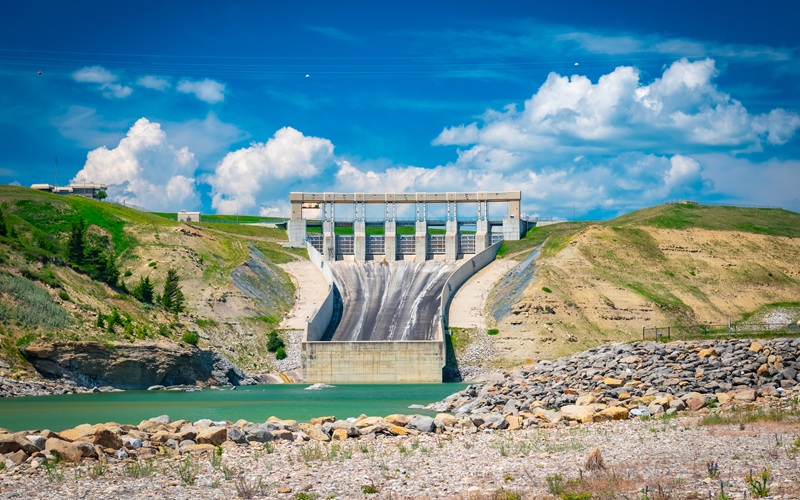
(Image Credit: ID 312940450 © Brandon Smith | Dreamstime.com)
Reports expected Spring 2027

Province puts out requests for studies on future water supply, infrastructure

Oct 8, 2026 | 4:26 PM

The provincial government is hoping to gather more information on potential future water shortages and needed projects through two studies it’s putting out to tender.

“Good decisions start with good information,” says Minister of Environment and Protected Areas Grant Hunter.

“These studies will identify future water needs, provide a consistent way to compare projects and help direct public dollars toward investments that most benefit communities, the economy and environment.”

In a statement Thursday, the Province said ensuring reliable access to water will be critical to supporting thriving communities, a strong economy and a growing agri-food sector, as the population continues to grow.


With water needs varying across the province, clear basin-specific information is needed to identify potential future shortages and establish a consistent approach to assessing major water infrastructure projects, the statement read.

“Reliable access to water is essential for the long-term prosperity of Alberta’s farmers, ranchers and rural communities,” added Tara Sawyer, Minister of Agriculture and Irrigation.

“These studies will provide the insights we need to expand water storage capacity and build infrastructure to deliver water reliably to Albertans when they need it the most. By planning today, we can work toward ensuring our agricultural producers have the dependable water supply they need to thrive.”

Under the guidelines, the Water Storage Needs Assessment, as it’s being called, will consider current and future water demand and supply, population growth and economic growth in each basin.

“The Water Storage Cost-Benefit Review and Guidelines study will create common criteria for assessing water storage and other water infrastructure,” according to the announcement.

The Province believes the studies, combined with the 100-year water security white paper, will give it the information it needs to form its decision-making and, in its words, balance the environmental, social and economic factors.

It’s set April 2027 as the target date for the completion of the water storage needs assessment and two months later, in June, for cost-benefit assessment guidelines.

Proposals for both are being accepted this month.