Stay informed with the LNN Daily Newsletter
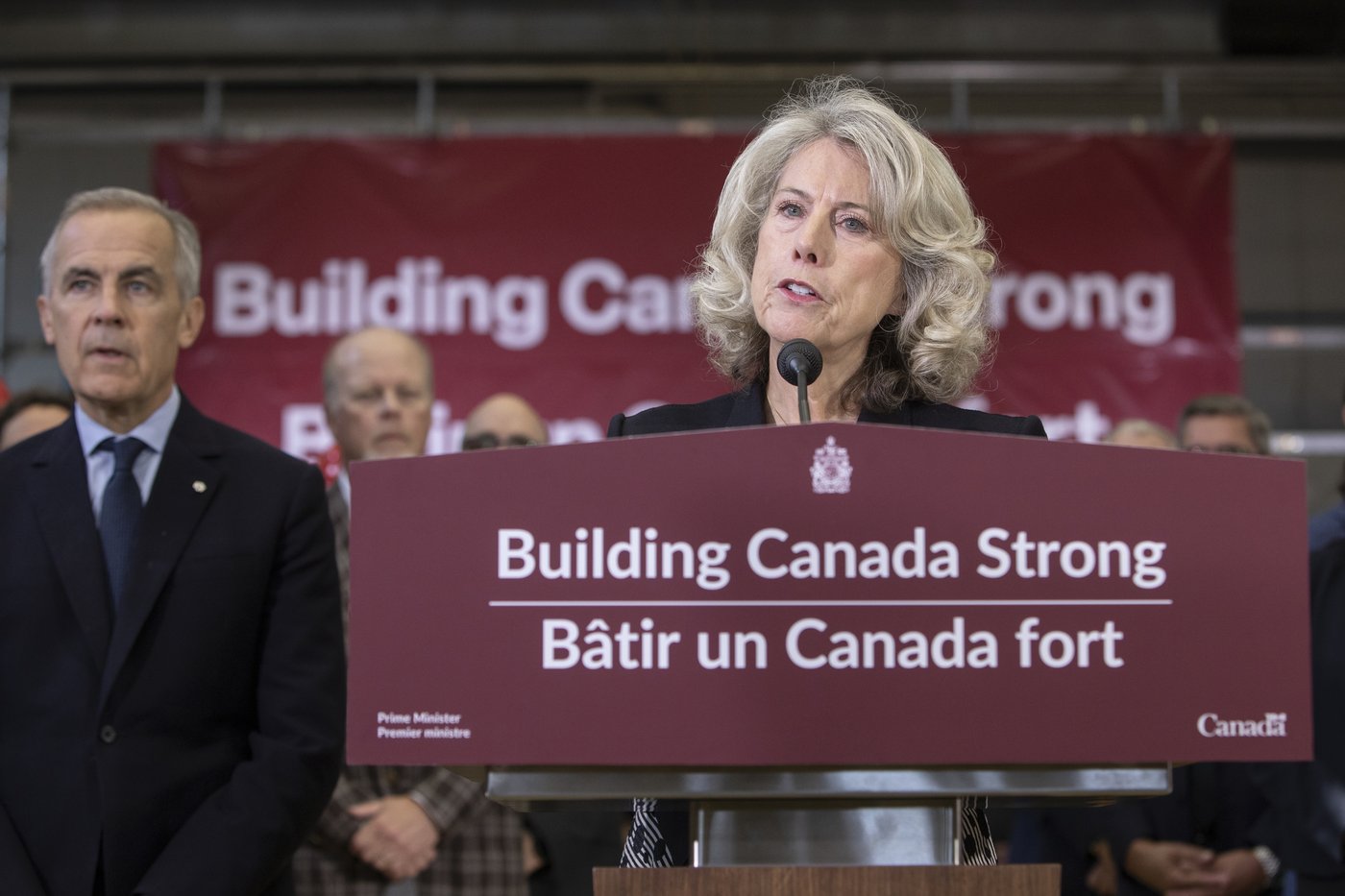
The head of the new federal government Major Projects Office Dawn Farrell speaks, as Prime Minister Mark Carney looks on, during the announcement of five major projects in Edmonton on Thursday, Sept. 11, 2025. THE CANADIAN PRESS/Amber Bracken

First Nations have ‘every right’ to be skeptical of major projects office: Farrell

Oct 27, 2026 | 3:11 PM

OTTAWA — The head of the federal government’s major projects office said Tuesday First Nations have “every right” to be skeptical of her office’s intentions, elaborating on comments she made at the British Columbia Assembly of First Nations two weeks ago.

Dawn Farrell took an hour’s worth of questions from MPs on the House of Commons environment committee Tuesday.

Her committee appearance happened two weeks after she addressed the B.C. chiefs. Many of those chiefs were frustrated over what they said was a lack of consultation on whether Canada should designate the Pacific Link pipeline as a project of national interest.

Prime Minister Mark Carney designated the project — a new oil pipeline from Alberta to the southern B.C. coast — on Oct. 1.


Some chiefs said they were given just 11 working days to review and engage on the designation proposal.

Farrell told First Nations leaders on Oct. 14 that those frustrations made her feel like Canada was “never going to work,” but insisted her office was determined to try to be better.

Farrell’s choice of words generated some criticism.

On Tuesday, Farrell told MPs she was trying to convey that she knows First Nations don’t trust her office, and that it’s up to her to prove her team’s intent through their work.

“I know that the First Nations are nervous about the time frame and how much we’re trying to get done and how quickly we’re trying to do it. And I know they’re not used to that because a lot of consultations were taking years and years and a lot of projects weren’t getting done,” Farrell told MPs.

“So they have every right to be, in my mind, skeptical around what the intentions of the major projects office (is). We’re new. We’re not proven yet. We haven’t been able to show them what our intentions are, and we haven’t been able to follow through and make sure that the work that we do is as we say it’s going to be.

“So I was more expressing that, ‘I know you don’t trust us, and it’s up to me to do the work and to show you.’ And it was, of course, you know, I didn’t say it well enough and I regret that.”

The federal government initially planned to hold consultations for one month on whether to designate the pipeline as a project in the national interest under the Building Canada Act. That was extended to two months after Indigenous leaders raised concerns about the tight timeline.

A summary of those consultations posted online by the federal government says Indigenous groups decried a lack of information about the project, which they said prevented them from fully assessing its impact.

Rob Van Walleghem, general counsel and vice president of Indigenous affairs at the major projects office, said Indigenous Peoples need to have “good information” early and need to have adequate capacity to make decisions.

“Communities are not used to proponents showing up with little information. But that’s the point,” he told MPs.

“We don’t want proponents showing up in communities with plans that are so far down the road that they’re intransigent because they’ve invested too much money in developing them. We want Indigenous Peoples to be involved in the co-development of these projects.”

Cold Lake First Nations is asking the Federal Court to review the decision to list the Pacific Link pipeline as a project of national interest because they weren’t consulted over it.

The First Nation is asking the court to quash the national interest designation and to declare that Canada has a duty to consult with the community on the pipeline.

Asked on Tuesday by MPs how much confidence she had that the consultation process would hold up in court, Farrell said she was “highly confident” it would.

This report by The Canadian Press was first published Oct. 27, 2026.

— With files from Alessia Passafiume

Nick Murray, The Canadian Press