Stay informed with the LNN Daily Newsletter
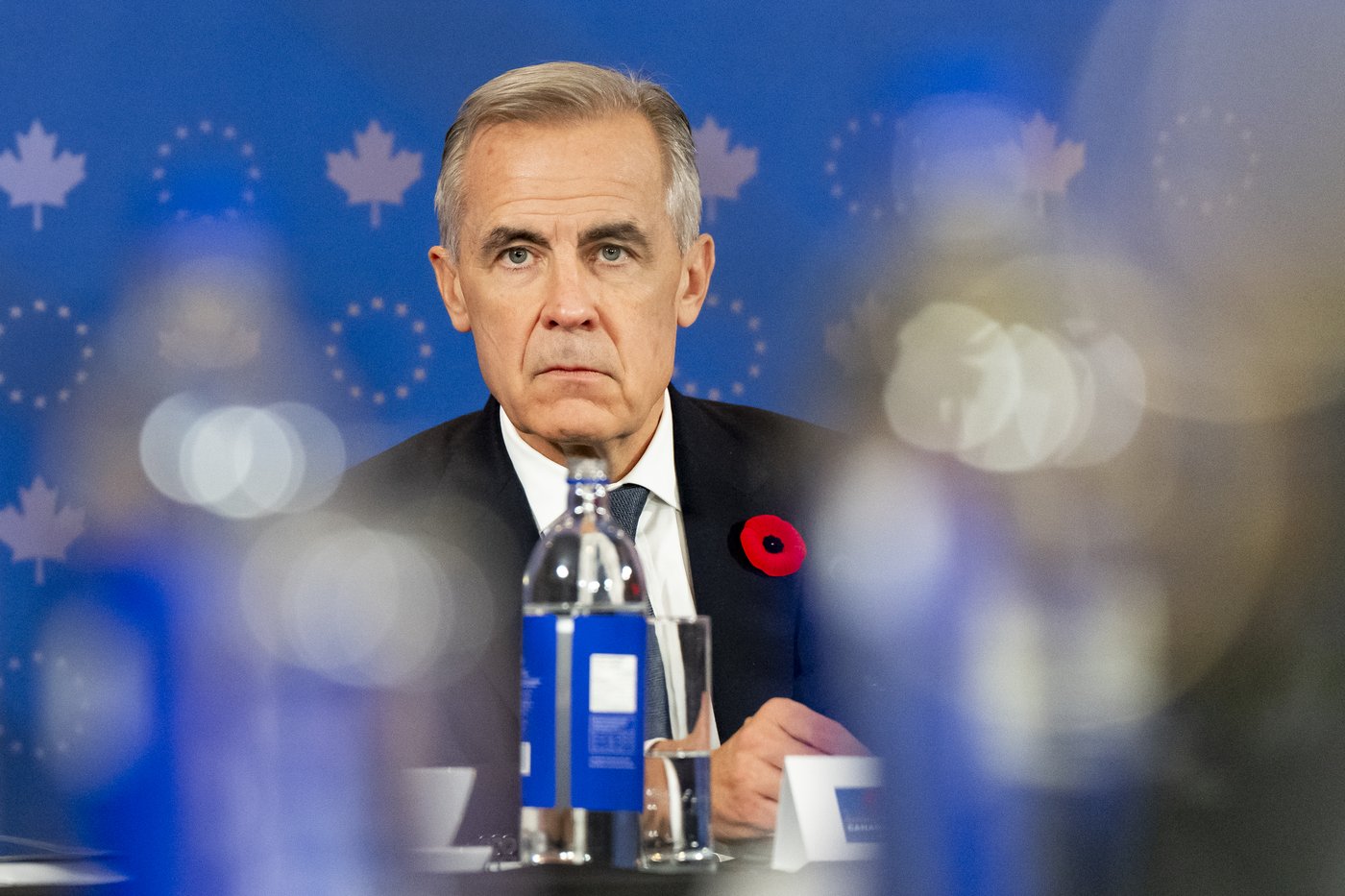
Prime Minister Mark Carney looks on during a roundtable meeting with business leaders during the Canada-EU Summit, in Montreal, on Thursday, Oct. 29, 2026. THE CANADIAN PRESS/Christopher Katsarov

Commonwealth meeting offers Carney a chance to boost diplomatic ties, experts say

Nov 2, 2026 | 3:00 AM

OTTAWA — Prime Minister Mark Carney is heading to Antigua and Barbuda on Monday, where he will have a chance to engage with heads of government from other Commonwealth countries — and with King Charles.

Much of the meetings taking place this week will focus on trade and investment. But the gathering also offers a chance for Carney to meet with representatives from a wide variety of countries he might not otherwise visit, said retired Canadian diplomat Patricia Fortier.

“Fifty-six countries, Caribbean, Europe, Africa, North America, Indo-Pacific — this is like a diplomatic feast,” she said.

Commonwealth members include large countries like the United Kingdom, Australia, India and Nigeria, and many of the world’s smallest countries — such as Tuvalu, a group of islands in the Pacific Ocean with a population of about 10,000.


Fortier described it as an “extraordinary gathering.”

Carney has spent much of his time in office travelling to shore up multilateral relationships as he attempts to pivot Canada away from dependence on the United States.

Canada’s ties with the Commonwealth, especially with smaller states, could help with that effort. Multilateral organizations like the United Nations give each member country one vote, regardless of size, Fortier noted.

“If you’re trying to move things through a multilateral organization, it is very, very important that you pay attention to smaller states,” she said.

“The Caribbean and Africa and some of the Pacific Island states can make or break your initiatives.”

Michael Manulak, an associate professor of international affairs at Carleton University, said Canada has used this strategy successfully in the past, when it was an influential multilateral player under Prime Minister Lester Pearson, and in the 1980s.

“One of the kind of core constituencies that Canada often operated on was the Commonwealth,” he said.

Canada had good relations with a large number of African and Caribbean countries, which meant Ottawa could call on those leaders to support Canada’s position on international issues, he added.

Ronald Sanders, Antigua’s high commissioner to Canada, said there was a time in the past when “Canada put up a candidate for a post in the UN and it knew it had 14 votes behind it automatically.”

That relationship changed as various Canadian governments moved toward closer relations with the United States and Mexico and away from those relationships in the Caribbean.

“We would hope that we can rebuild that relationship now,” he said.

The modern Commonwealth was established in 1949 and most of its members have ties to the British Empire. Together, they represent a large chunk of the world’s population — 2.7 billion people.

“It’s a legacy of British imperialism but it’s now a consensual association,” said Manulak.

He said the Commonwealth gives Canada a platform to augment bilateral relations with “a whole set of countries that we might not have a whole lot to do with on an everyday basis. And I think that can be a really valuable thing.”

Manulak said trade and investment will be the top issue at the gathering. He said it’s something Commonwealth Secretary General Shirley Botchwey has been pushing for since she stepped into the role in 2025.

“There’s going to be a lot of discussion about concrete ways of reducing barriers to trade,” he said.

Carney will spend just one day at the gathering, attending a lunch hosted by the King for new leaders in the Commonwealth and a formal dinner — also hosted by the King — as well as executive sessions and other meetings.

Carney is also expected to hold bilateral meetings, but officials declined to say in advance who he will meet with.

Sanders said Carney will meet with Antigua and Barbuda’s Prime Minister Gaston Browne.

Browne will propose a bilateral agreement with Canada that “could see joint ventures and activities that promote economic growth and create commercial opportunities for Canadian enterprises,” Sanders said.

Canadian government officials described the Commonwealth meeting as a platform for Canada to expand trade, investment and strategic co-operation.

They noted Canada currently has $100 billion in trade with Commonwealth countries.

Foreign Affairs Minister Anita Anand will join Carney at the meeting. She told The Canadian Press in an interview that Canada “supports practical Commonwealth initiatives that strengthen supply chains and improve market access, that advance trade diversification.”

She added the Commonwealth has “ambitious targets” to increase trade among Commonwealth countries to $2 trillion by 2030.

The officials said in the briefing there will be a focus at the meeting on resilience and mitigation related to climate change — a major priority for states witnessing the effects of rising oceans firsthand.

“Given that many of these smaller states are islands and are most affected by climate change, I think that will also be something that will come up,” Fortier said.

Sanders noted the Commonwealth was where early discussions about climate change began. He said the Commonwealth has acted collectively on big issues in the past, such as helping to end apartheid in South Africa.

King Charles is expected to address the legacy of slavery at the meeting in Antigua. Officials did not answer directly when asked whether Carney will participate in any of those discussions.

Manulak said while the British are very reluctant to accept blame for slavery and colonialism — and the potential financial implications of that — Caribbean countries “naturally feel differently about this issue. Being in the Caribbean, this is going to be a really live issue.”

Tamanisha John, assistant professor at York University’s department of politics, predicted Canada will choose to stay quiet and, if pressed, will support the position of the U.K. government. She noted that even if King Charles apologizes, the U.K. government opposes reparations.

Before the opening ceremony on Tuesday, Carney will host a working breakfast with Caribbean leaders.

Government officials said that will be an opportunity for Carney to discuss trade and investment, climate action and regional security.

“The Caribbean and Canada have long had a kind of a special relationship, partly through the shared British colonial heritage, but also through trade with the maritime provinces going down to the Caribbean islands,” Fortier said.

John said Canada’s banks have a strong presence in the region, which gives Canada a voice in guiding their development prospects.

“The financial system that Canada sets up in the Caribbean acts in these very sort of discriminatory ways that end up empowering … North American corporations,” she said.

This report by The Canadian Press was first published on Nov. 2, 2026.

— With files from Dylan Robertson

Anja Karadeglija, The Canadian Press