Stay informed with the LNN Daily Newsletter
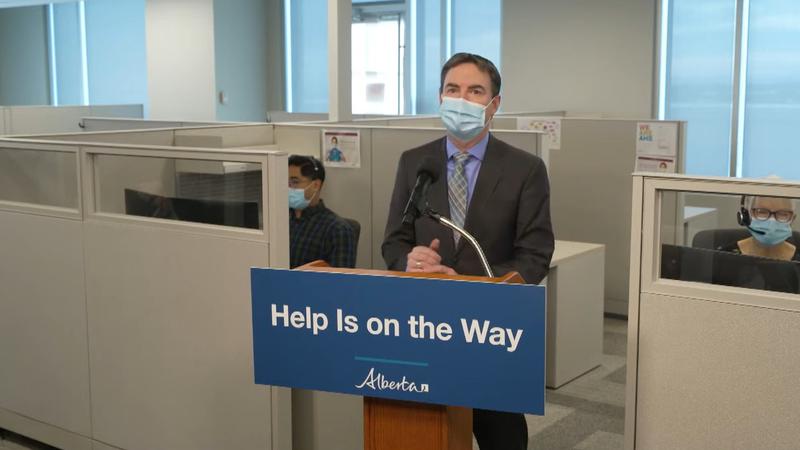
Health Minister Jason Copping discusses the impacts of diverting non-emergency 911 calls at the Health Link dispatch centre. (Photo: Government of Alberta)

Diverting non-emergency 911 calls freeing up ambulances in Alberta: province

Feb 2, 2023 | 2:24 PM

LETHBRIDGE, AB – Alberta’s health minister says he hopes to divert tens of thousands of calls for ambulances so paramedics can deal with more serious matters.

Jason Copping told media at a press conference on Thursday, February 2, 2023, that the province began the practice of transferring non-emergency 9-1-1 calls to the Health Link 811 service in mid-January.

He says this will allow ambulances to be available to respond to emergency health situations more quickly.

“Stepping down these calls will mean freeing up ambulances and paramedics. [There are] up to 40,000 calls per year where an ambulance response isn’t required,” says Copping. “That is significant.”


Non-urgent calls account for 10-20 per cent of the total 911 call volume, depending on the area and other factors.

Alberta Health Services (AHS) Official Administrator Dr. John Cowell says, since implementing the change just a couple of weeks ago, approximately six per cent of total EMS-related calls to 911 have been diverted.

In situations where a caller is diverted, they will speak with a registered nurse at Health Link, who will do a further assessment. The nurse will provide advice and any needed referrals.

“You can imagine what a positive impact that’s going to have on the more effective use of our ambulances, freeing them up for the calls that really demand their attention,” says Cowell.

Cowell has been tasked by the government to come up with a variety of initiatives that will reduce EMS response times in Alberta.

As part of the Health Care Action Plan (HCAP), these measures include:

  • Adding 20 more ambulances during peak hours. This measure is expected to roll out in the spring in Calgary and Edmonton. Each city will receive 10 new ambulances this year, which is on top of the 19 ambulances that were added in both cities during peak hours in 2022.
  • Fast-tracking ambulance transfers at emergency departments by moving less urgent patients to hospital waiting areas, based on new provincial guidelines now in place.
  • Freeing up paramedics by contracting appropriately trained resources for non-emergency transfers between facilities in Edmonton and Calgary.
  • Empowering paramedics to assess a patient’s condition on scene and decide whether they need to be taken to an ER by ambulance.

Last month, AHS put out a request for proposals for agencies that could provide non-urgent patient transfers between medical facilities.

READ MORE: Province announces plans to lower EMS response times